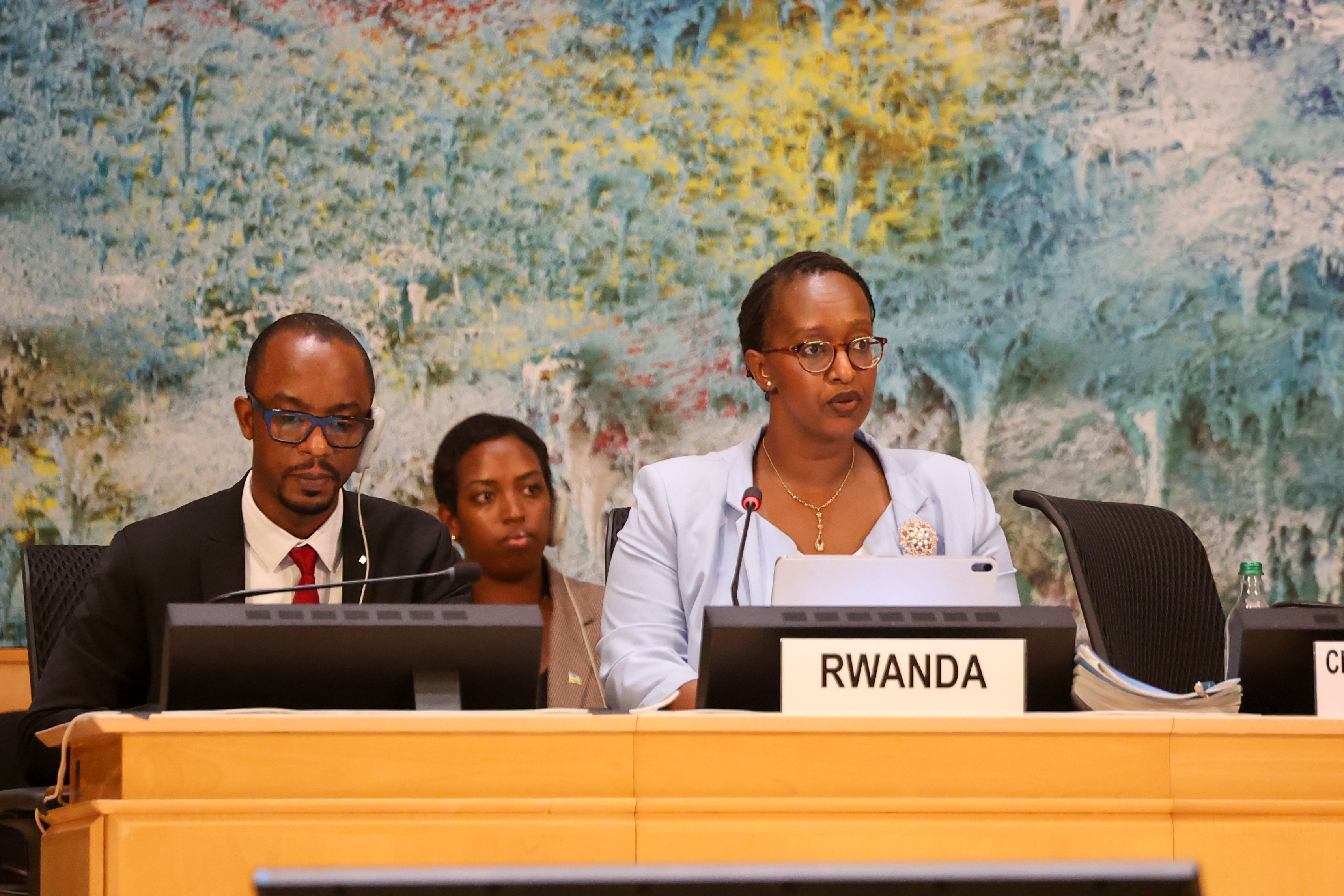
Solemn 30th Commemoration of the 1994 Genocide against the Tutsi in Rwanda
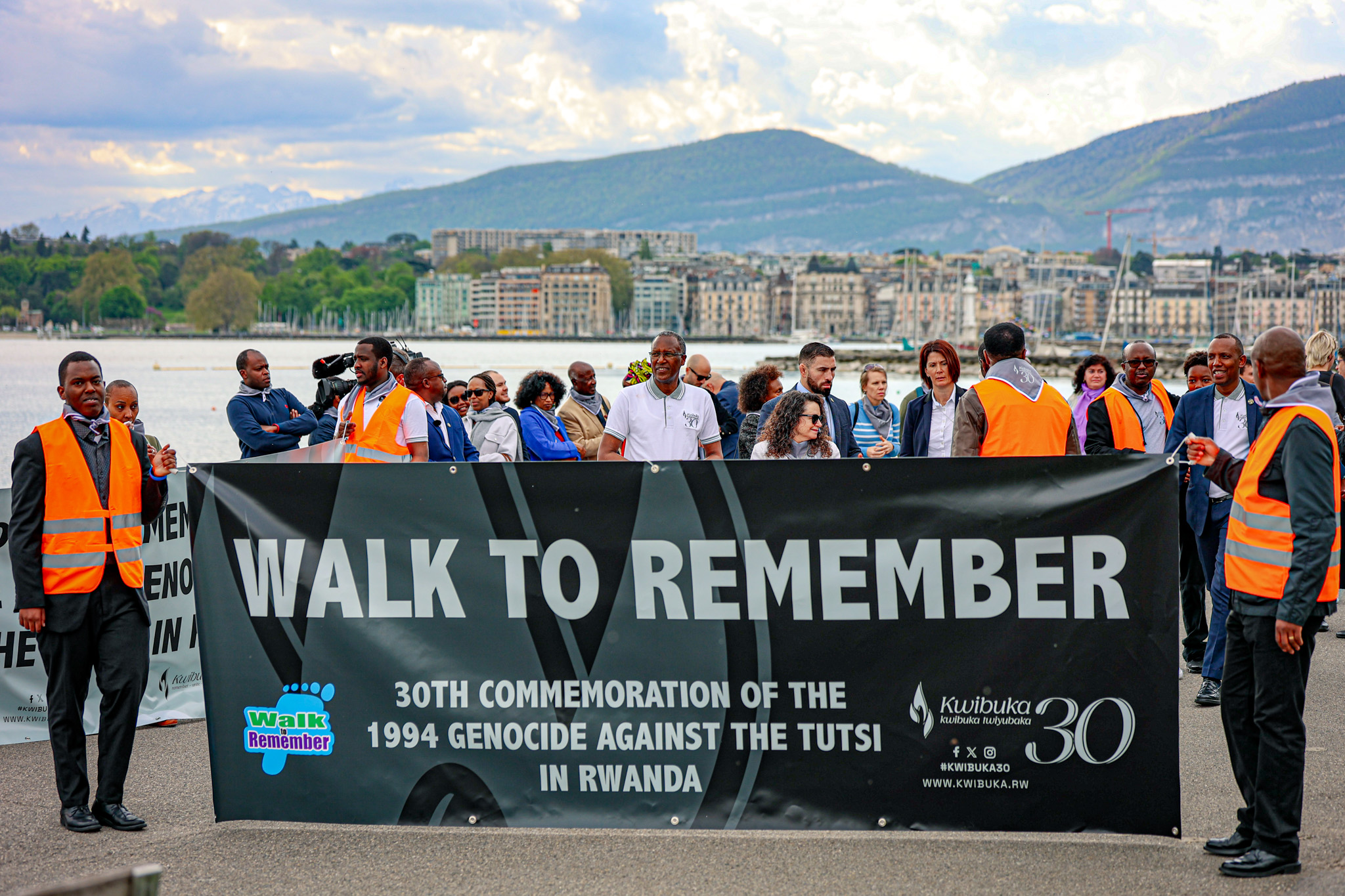
On April 15, 2024, hundreds of Rwandans, friends of Rwanda and the international community gathered to commemorate the 30th Commemoration of the 1994 Genocide against the Tutsi in Rwanda—a remembrance and reflection on the resilience and unity that have defined Rwanda’s journey since. The ceremony, held at the United Nations Headquarters in Geneva, was part of the "Kwibuka30" events organized by the Rwandan Embassy to Switzerland and Permanent Mission to the United Nations Office at Geneva.
A Dignified Procession
The day began with a "Walk to Remember" from Quai Wilson, in the vicinity the Office of the High Commissioner for Human Rights/OHCHR’s headquarters, leading to the Memorial Stele, located at the Place des Nations, where attendees, included the President of the Municipal Council of the Canton of Geneva, Ambassadors, Diplomats and UN Officials. Following the wreaths laying and the observance of a minute of silence, Ambassador James Ngango in his address, reflected on the plight atrocities, the abandonment of Rwandans by the international community and the strides Rwanda has made in unity and reconciliation, and the transformation journey thereof.
International Conference and Reflections
The "Kwibuka30 International Conference" in Geneva featured discussions on genocide prevention, human rights, and the importance of remembrance and education to combat denial and distortion of history. Moderated by Karine Vasarino, a renowned Swiss journalist from Radio Television Suisse (RTS), the conference underscored the need for international cooperation to ensure the memory is preserved, bring justice and support for survivors.
Among the distinguished speakers at the Kwibuka30 International Conference, was Ambassador Ibrahim Agboola Gambari and Ambassador Karel Kovanda, kown for courageously denouncing the genocide during their diplomatic careers as Permanent Representatives of their respective countries to the United Nations in New York.
Ambassador Gambari, a Nigerian diplomat with a strong background in international relations and peacekeeping, is renowned for his principled stand and mediation efforts in conflict zones.
Ambassador Kovanda is recognized for his strong advocacy against the atrocities and his push for international intervention.
Anne-Emery Torracinta, a prominent Swiss political figure who served as Minister, emphasized that the genocide was not inevitable and pointed to the role of international actors, like Switzerland, who could have intervened. "A genocide never happens by accident," she explained, noting the decades of discrimination against the Tutsi since the late 1950s. Her presentation underscored the importance of acknowledging the signs of genocide and taking preventive actions before it is too late.
Itonde Kakoma, president of Interpeace, highlighted the crucial balance between remembering the trauma of the past and empowering future generations. He stressed, "Because memory is inseparable from the trauma, the question is how we shield the next generation from trauma. Society must continue to honor the memory of the victims, while at the same time empowering the next generation to be resilient against legacies of the genocide & its ideology’’.
Esther Mujawayo, a survivor and psychotherapist, gave a moving account of her personal experience and the ongoing psychological impact on survivors. Roméo Antonius Dallaire, former force commander of the UNAMIR, was not able to make it to the conference, but sent a video message that provided insights into the challenges of peacekeeping during the genocide.
Commemoration Ceremony
The Kwibuka30 commemoration ceremony, held at Headquarters of the United Nations Office at Geneva, commenced with the lighting of candles, symbolizing remembrance and hope for peace. The event also featured testimonies from survivors, poetry and memorial music , and further reflections by invited guests on the lessons learned from Rwanda’s tragic history. A short documentary on: Rwanda, from despair to hope, was screened during the ceremony.
During the Ceremony, attendees were deeply moved by the heartbreaking testimony of Clarisse Naila Petrus, a survivor. This saddening recounting offered a personal and powerful perspective on the harrowing experiences during the 1994 Genocide against the Tutsi, providing a vivid account of the pain, loss, and resilience that have marked the lives of those who lived through the 1994 Genocide against the Tutsi.
In his remarks, César Murangira, President of Ibuka Mémoire et Justice, highlighted the ongoing challenges of genocide denial and the lack of full international acknowledgment of the specific victimization of the Tutsi. His statement called for accurate historical recognition and ongoing solidarity with the survivors.
Urgent Call to the International Community
In his address, Ambassador James Ngango, reflected on the persistence the inability to prevent genocide, and urged the international community to take concrete actions to fight genocide ideology and cooperate to the pursuit of justice of genocide fugitives.
Ambassador NGANGO reminded the diplomatic community of the ongoing cleansing of Tutsi Congolese Communities in the Eastern DRC and urged them to proactively put an end to it.
"We call upon the international community to re-commit to the provisions of the 1948 Convention on the Prevention and Punishment of the Crime of Genocide and other relevant international instruments to prevent and fight genocide," he declared.
Representatives from a wide range of countries were present, underscoring the universal recognition of the significance of this event. Notably, attendees included delegates from Algeria, Australia, Belgium, Botswana, Canada, Chile, Colombia, Côte-d’Ivoire, Croatia, Czechia, Denmark, Eritrea, Estonia, France, Germany, Ireland, Italy, Japan, Kenya, Latvia, Lebanon, Lithuania, Luxembourg, Madagascar, Malta, Mauritius, Monaco, Montenegro, Netherlands, Niger, Norway, Panama, Poland, Russia, South Africa, Switzerland, Thailand, Togo, Uganda, Ukraine, USA, UK, Zimbabwe, and the European Union. among many others.
Exiting the Commemoration venue, attendees visited a Kwibuka30 Photos exhibition illustrating the root causes of the 1994 genocide against the Tutsi, Rwanda's journey showcasing stories of resilience, unity and reconciliation that have shaped the nation's new triple choices: to stay together, to be accountable and to think big. This exhibition not only served to the victims but also as an educational tool for future generations.

Rwanda's Statement | First Session of the Open-Ended Intergovernmental Working Group on a legally binding instrument for the promotion and protection of the Human Rights of Older Persons.

Rwanda's Statement at the 68th Series of Meetings of the WIPO Assemblies

Rwanda Participates in the Global Dialogue on AI Governance, WSIS Forum 2026 and AI for Good Global Summit

From Liberation to Nation-Building: Rwandans in Switzerland Celebrate Kwibohora32

Kwibohora32 : Allocution de l'Ambassadrice à l'occasion de la célébration du 32ᵉ anniversaire de la Libération du Rwanda en Suisse
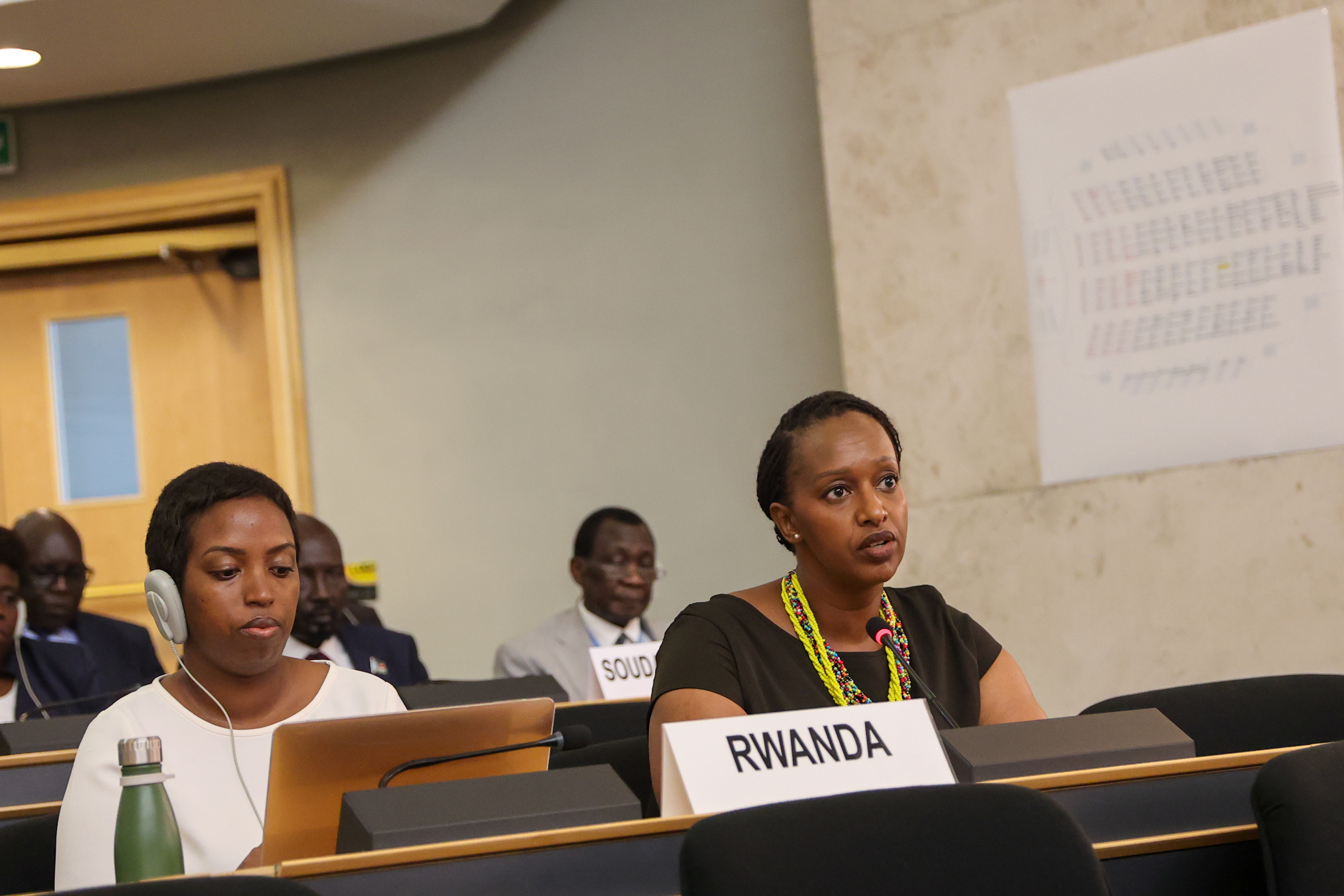
HRC62: Rwanda's Statement during the Interactive Dialogue on Technical Assistance and Capacity-Building for South Sudan
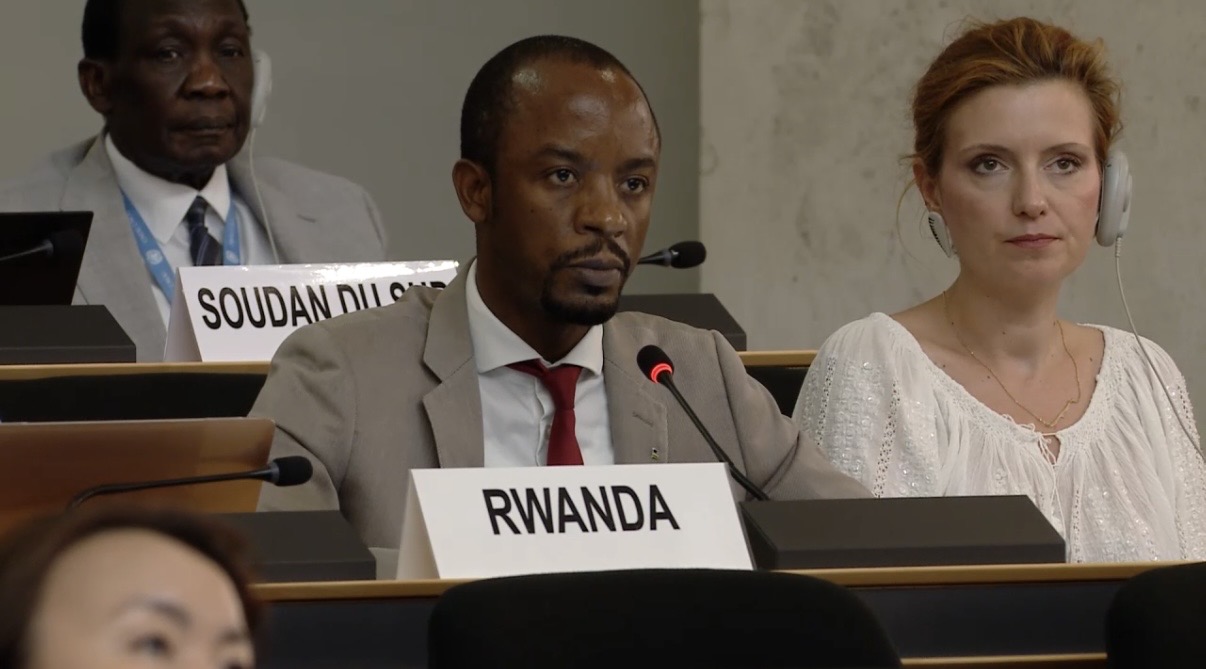
HRC62: Rwanda's Statement during the Urgent Debate on the Human Rights Situation in and around El Obeid, North Kordofan, Sudan
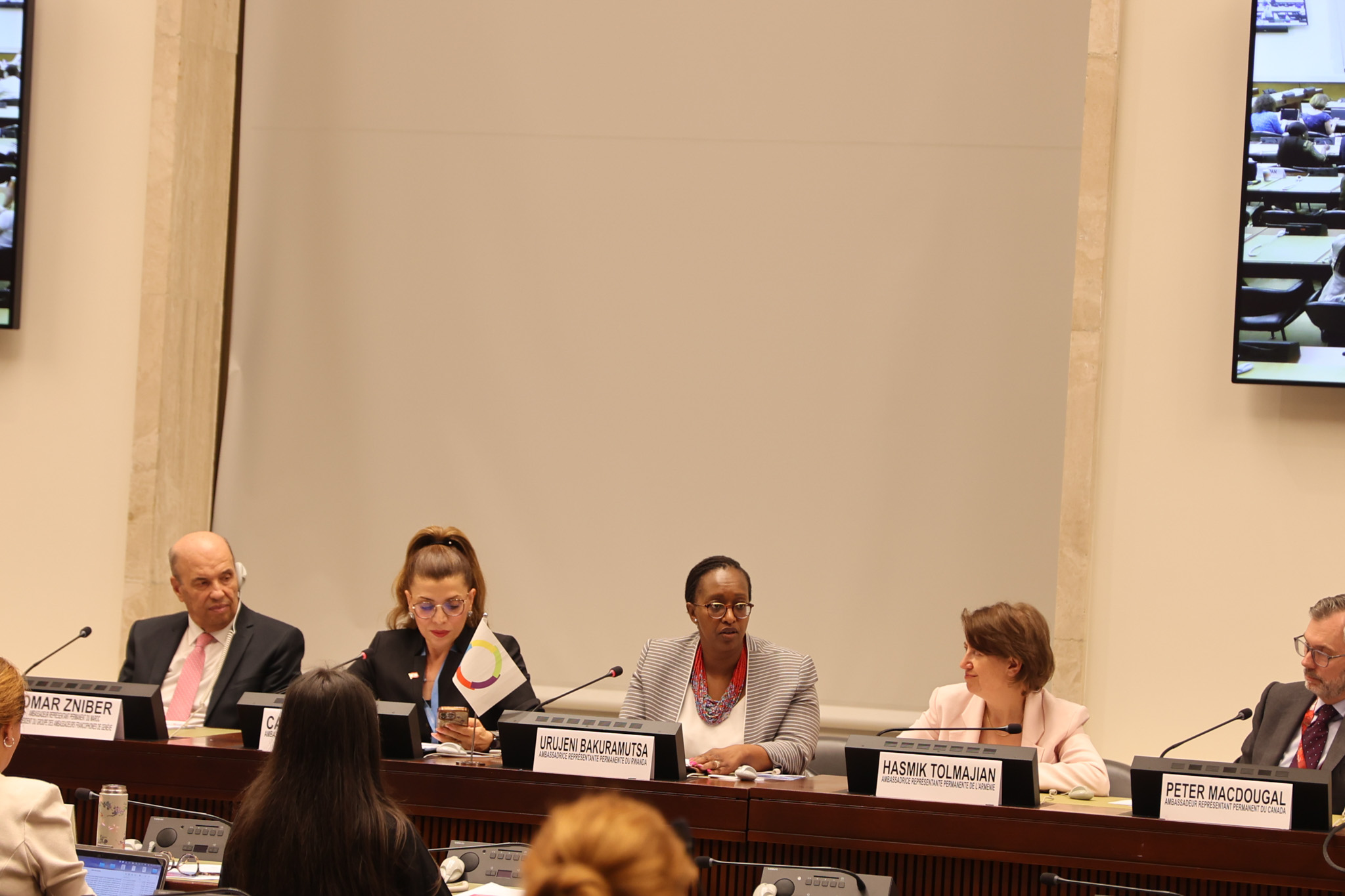
HRC62 : Intervention du Rwanda lors de l'événement parallèle sur l'Appel de Kigali