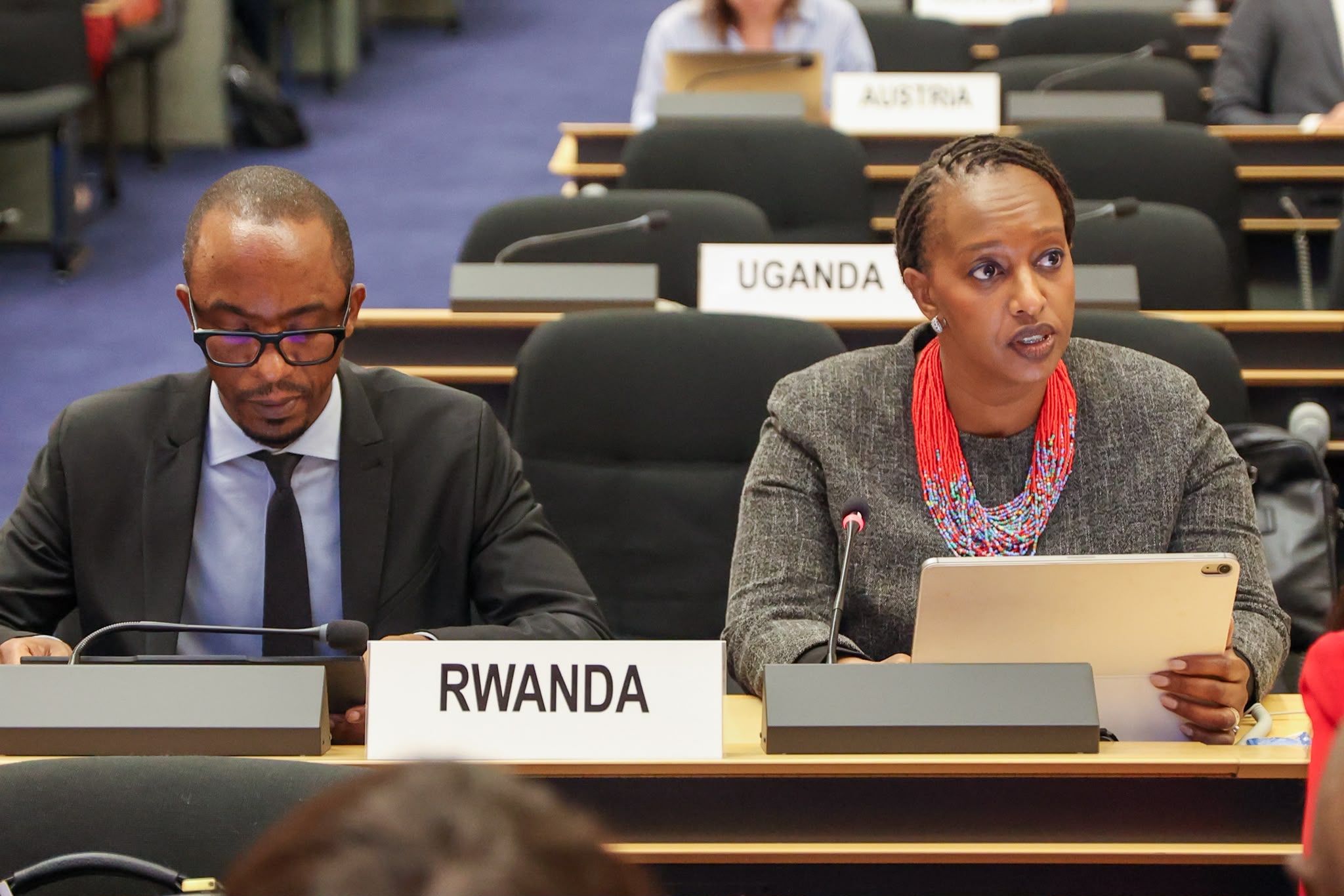
STATEMENT BY THE GOVERNMENT OF RWANDA DURING THE INTERNATIONAL LABOUR CONFERENCE 114TH SESSION
Statement by the Government of Rwanda during the International Labour Conference 114th Session
Wednesday June 10, 2026
Excellencies, Ladies and Gentlemen
Rwanda commends the Director‑General for his report, which rightly emphasises how artificial intelligence can boost productivity, catalyse economic growth, enhance public and private service delivery, and accelerate skills development for future jobs. We also concur that AI is transforming the nature of work and acknowledge the risks and challenges that must be managed proactively.
In 2022, Rwanda adopted a National Artificial Intelligence Policy designed to harness AI for development. The Policy provides a framework for building the infrastructure, data systems, skills and governance mechanisms required to ensure that AI contributes to national development and the SDGs.
This week, the Government of Rwanda has approved the creation of the National AI Agency to accelerate innovation and drive Rwanda’s digital transformation.
We are translating policy into practice by deploying innovative digital solutions across public services to raise productivity and improve outcomes: in health, AI solutions have reduced response times and enhanced quality of care while in agriculture and disaster‑risk management, they are improving decision‑making and addressing critical challenges.
In April 2025, together with the World Economic Forum, Rwanda hosted the inaugural AI Summit for Africa which highlighted the role of AI in advancing job creation and skills development and economic opportunity for Africa's workforce.
Building a competitive AI ecosystem requires sustained investment in people at all skill levels. We firmly believe that broad‑based upskilling enables workers to use AI responsibly, augment productivity, and strengthen decision‑making across sectors.
Excellencies, ladies and Gentlemen,
Our Digital Ambassadors Programme aims to equip over five million citizens with digital literacy, reflecting the National AI Policy’s emphasis on widespread digital and AI skills as the foundation for an AI‑ready workforce.
Recognizing that successful AI adoption requires broad societal understanding and ownership, Rwanda has invested in targeted AI awareness and capacity-building initiatives.
At the end of 2025, AI training was provided to public servants, while in last month similar training was extended to employers' and workers' organizations. Through these initiatives, Rwanda seeks to promote an inclusive and human-centred digital transformation by equipping key labour market actors with the knowledge and skills needed to support AI adoption and to cascade awareness and learning throughout their respective memberships.
- Looking ahead, the question is no longer whether AI will shape the future of work, but how to govern and harness it so that its benefits are widely shared. By investing in skills, infrastructure, ethical governance and international cooperation, AI can be harnessed for decent work, inclusive growth and sustainable development.
Leveraging these enablers, Rwanda aims to maximise employment opportunities from the platform economy, while supporting entrepreneurship and expanding access to work for youth and women, and ensuring decent work, social protection and fair regulation for our workers.
Achieving inclusive digitalisation depends on effective international cooperation. Rwanda reaffirms its commitment to working with social partners and other stakeholders to promote a human-centred approach to digital transformation that advances productivity, innovation, decent work and social justice for all.
Excellencies, Ladies and Gentlemen, as I conclude, Rwanda wishes to place on record its categoric rejection of the characterization made by the DRC Minister.
Such unfounded and inflammatory accusations undermine constructive dialogue and do not advance peace or alleviate civilian suffering on the entire DRC territory.
Rwanda remains committed to ongoing peace processes and to addressing the root causes of the conflict in Eastern DRC, which has lasted for over three decades, namely the continued presence of the DRC-backed FDLR, a UN‑sanctioned armed group.
The DRC government’s financial, military and logistical support to the FDLR, as well as to other armed groups in the region, must immediately stop, as it fuels instability and prolongs the suffering of civilians. Peace will come through the implementation of agreed commitments, not through accusations.
I thank you.
END
Rwanda Participates in Fifth Periodic Review Before UN Human Rights Committee
Rwanda’s Statement at the UNHCR ExCom77 Side Event Marking the 65th Anniversary of the Convention on the Reduction of Statelessness
Rwanda's National Statement at the 77th Session of the UNHCR Executive Committee
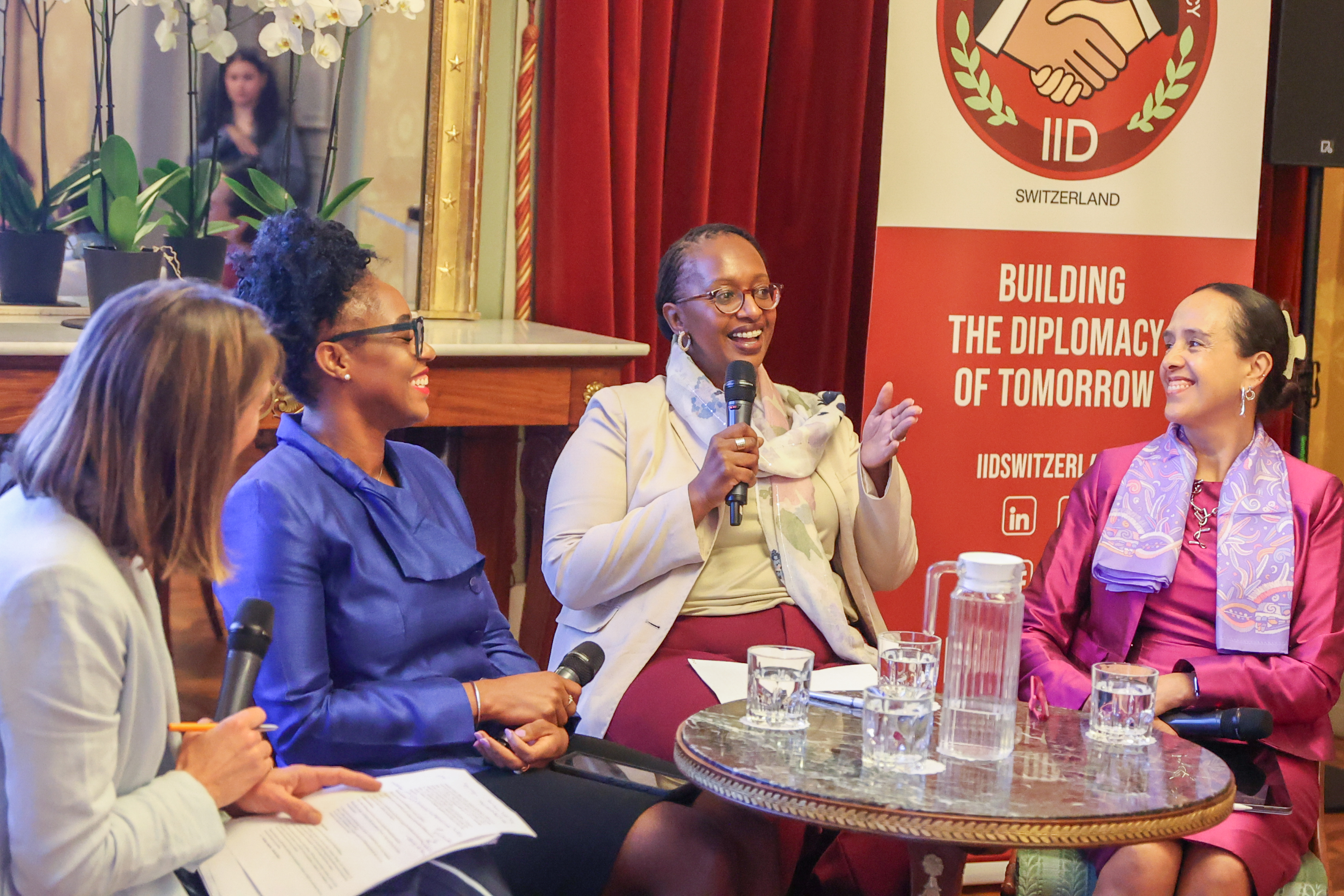
Ambassador Urujeni Bakuramutsa Participates in Roundtable on Women in Diplomacy in Geneva
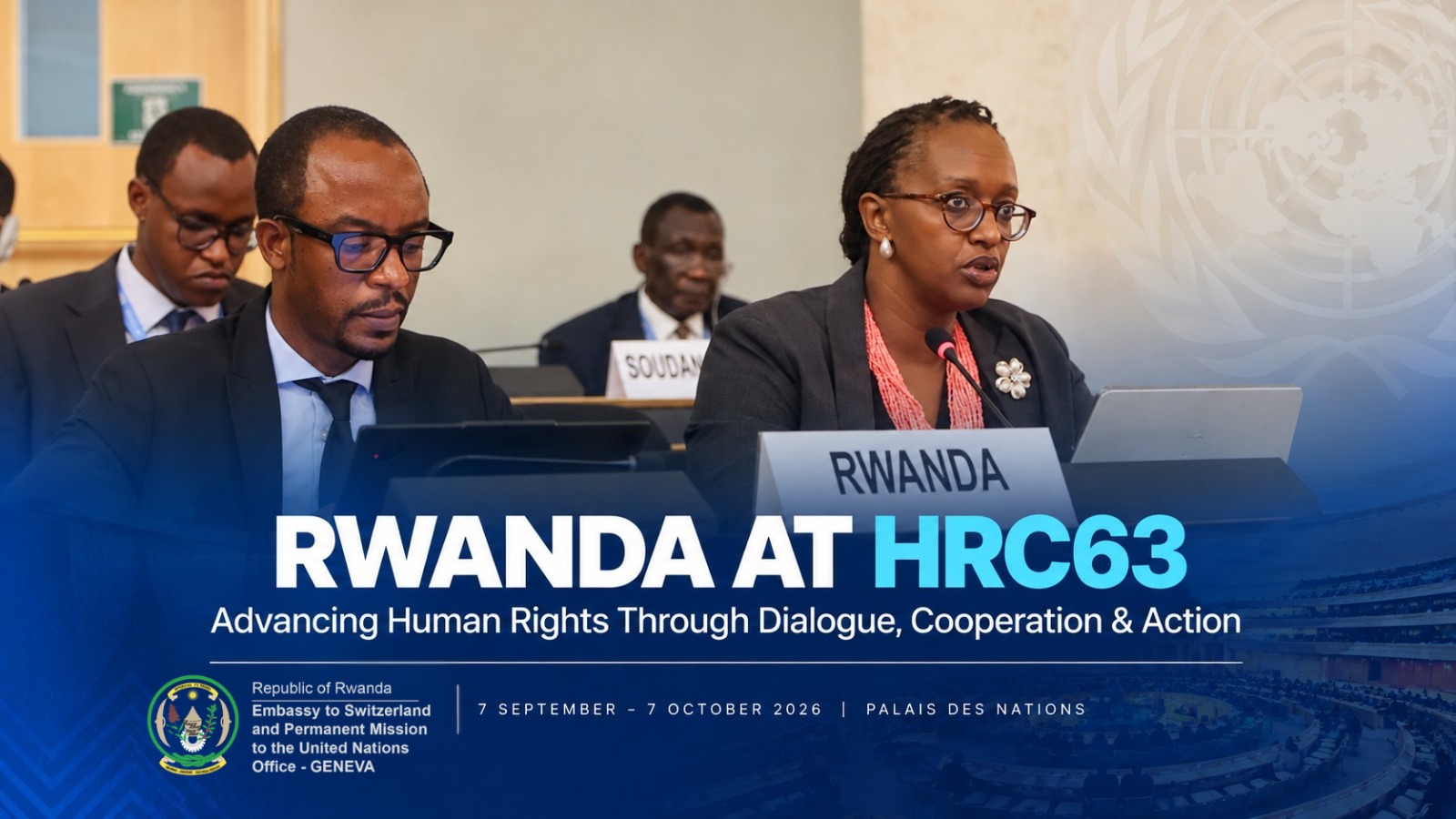
Rwanda’s Engagement at the 63rd Session of the Human Rights Council
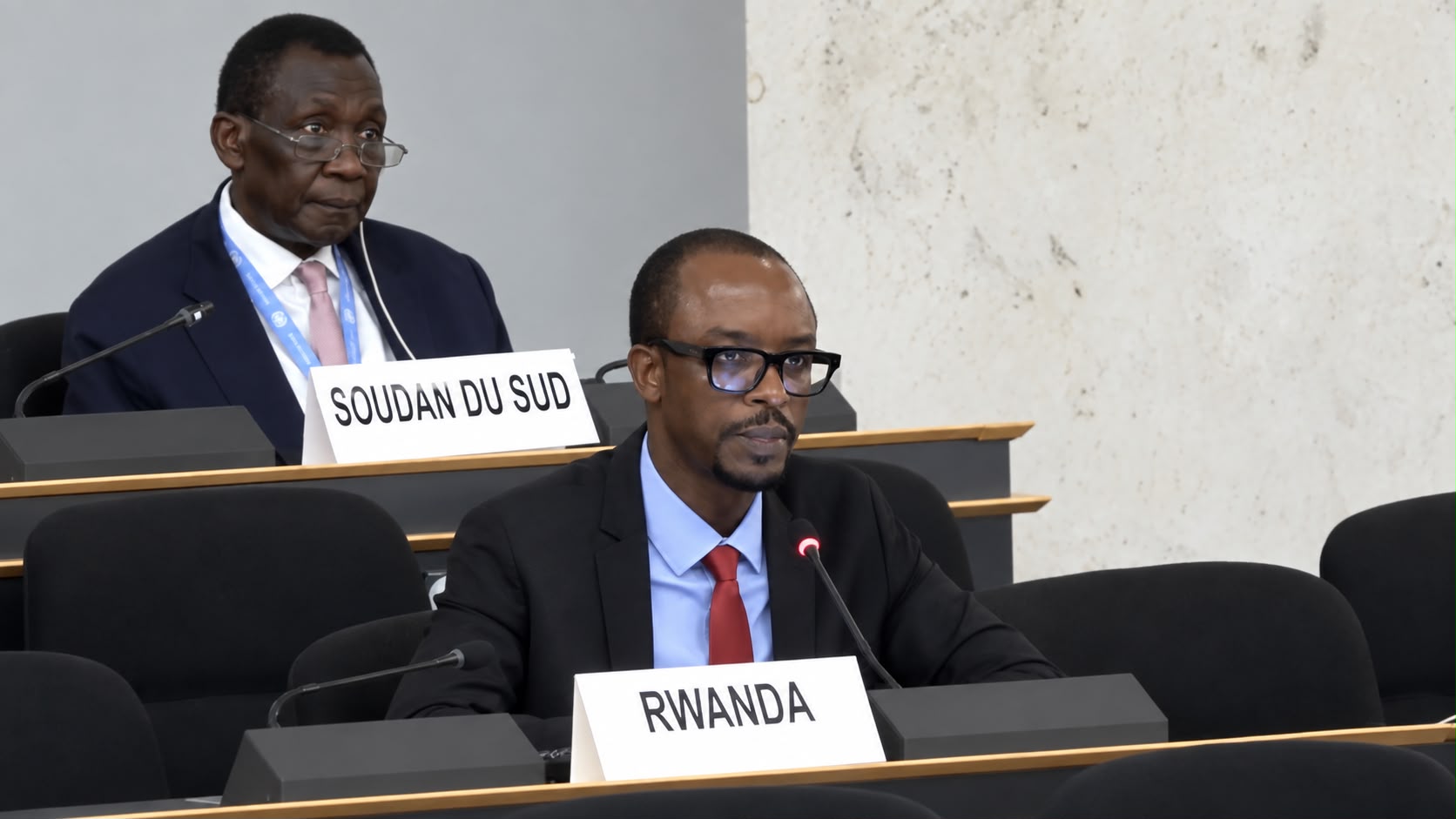
HRC63: Rwanda’s Statement on the Adoption of the Resolution on Technical Assistance and Capacity-Building in the DRC
Rwanda and Switzerland Strengthen Exchanges on Health and Life Sciences
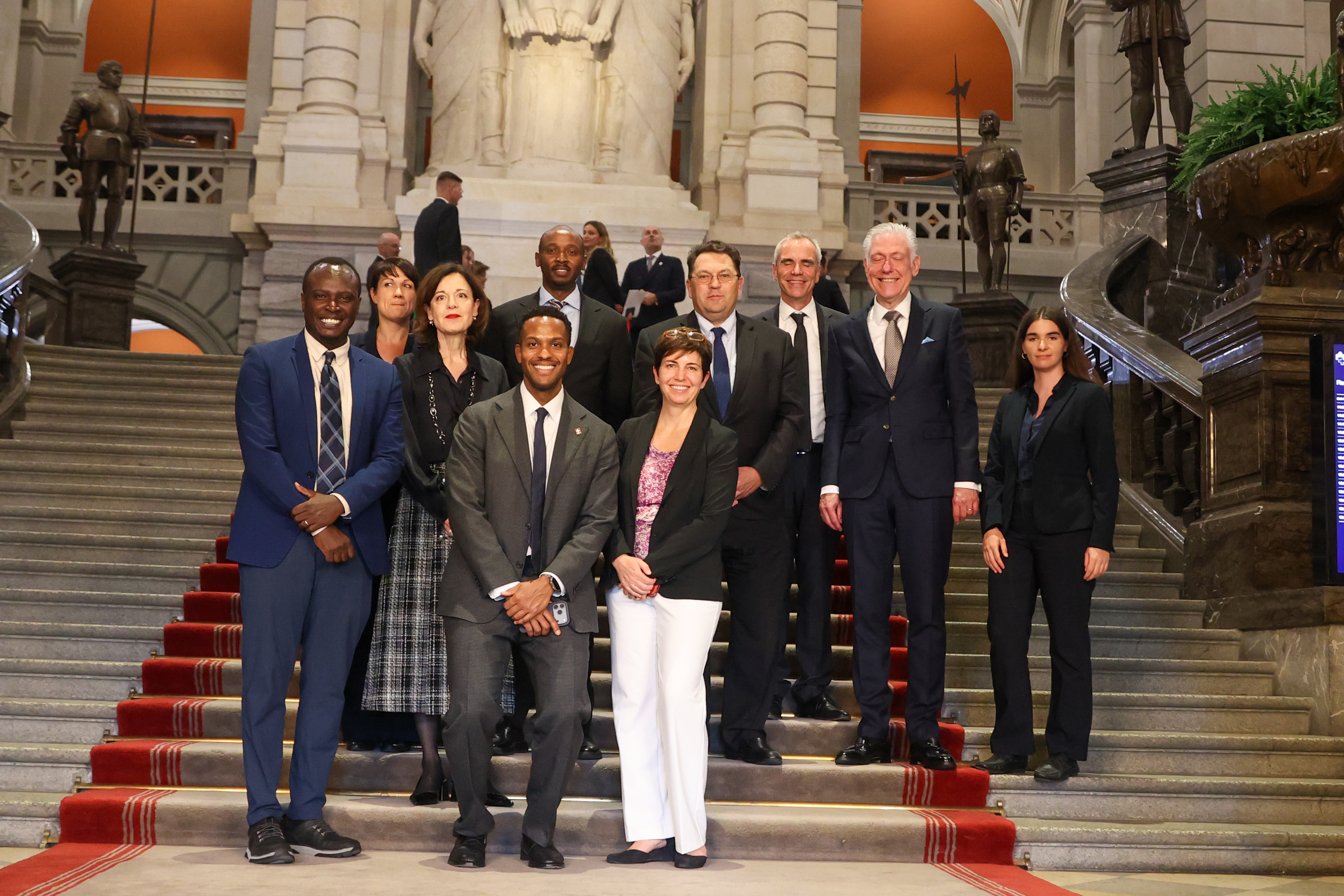
Rwanda's Minister of Health Meets Swiss Parliamentarians in Bern