Rwanda's National Statement at the 77th Session of the UNHCR Executive Committee
Chairperson,
High Commissioner,
Excellencies,
Distinguished Delegates,
Ladies and Gentlemen,
1. Rwanda reaffirms its commitment to the protection and dignity of refugees and asylum seekers. At a time of rising displacement and declining humanitarian resources, we must move beyond responding to immediate needs and invest in sustainable solutions that restore dignity and create opportunities.
2. Rwanda currently hosts more than 140,000 refugees and asylum-seekers, predominantly from the Democratic Republic of Congo and Burundi.
3. Building on our open-door policy and practical solutions, Rwanda continues to implement the Emergency Transit Mechanism, in partnership with the African Union and UNHCR, which has helped to bring over 3,000 vulnerable people to safety.
4. At the same time, Rwanda continues to receive its returning citizens, including 10,000 returnees over the past year.
Chairperson,
5. Despite declining humanitarian funding, Rwanda advances sustainable solutions through three priorities:
a. First, inclusion in the national systems. Starting in 2027, Rwanda will extend Community-Based Health Insurance to camp-based refugees, building on existing arrangements for urban refugees and students in boarding schools.
b. Second, economic self-reliance. Through the Rwanda Refugee Sustainable Graduation Strategy, Rwanda is implementing the 50 by 35 vision by supporting at least 50% of refugee households to transition progressively from humanitarian dependence towards sustainable self-reliance. We appreciated the support of UNHCR and our development partners and invite them to continue their investment in its implementation.
c. Third, integrated settlements and shared development. Rwanda is working to progressively transform refugee camps into integrated settlements where refugees and host communities can share services and take part in economic development.
6. These efforts require responsibility-sharing through predictable financing, development investment and partnerships that support both refugees and host communities.
Chairperson,
7. Rwanda also prioritizes the sustainable reintegration of returning citizens through access to essential services, livelihoods, and opportunities to contribute to their communities. We encourage UNHCR and our partners to continue supporting this people-centred approach.
8. We welcome continued efforts towards voluntary, safe, and dignified repatriation, including through the tripartite process involving Rwanda, the DRC and UNHCR. We appreciate the High Commissioner’s engagement and emphasize that these efforts must remain guided by the dignity and aspirations of those concerned.
Chairperson, High Commissioner, Distinguished Delegates,
In his opening remarks, High Commissioner Salih invited this assembly to reflect on what follows UNHCR’s growing number of emergency responses. Rwanda wishes to extend the reflection to include the root causes of these forced displacement and the necessary conditions needed to prevent recurrences.
10. Rwanda remains committed to working with UNHCR and its partners to advance practical and sustainable solutions.
11. Before concluding, Mr. Chairperson, Rwanda wishes to address the allegations made by the DRC, which we firmly reject. The worsening humanitarian crisis in the DRC cannot be be used to accuse a neighboring country, while ignoring the complex and longstanding causes that have yet to be addressed.
12. First, forced displacement in the DRC is nationwide, and extends well beyond its eastern provinces.
13. Second, forced displacement in the DRC did not begin with the current conflict. For over 3 decades, Rwanda and neighboring countries have hosted Congolese refugees fleeing insecurity and persecution. This is well documented in UNHCR’s own records. Furthermore, there are more than 260 armed groups in the eastern DRC, including the UN-sanctioned FDLR, which includes perpetrators of the 1994 Genocide against the Tutsi in Rwanda. Rwanda takes note of the DRC's mentioned disarmament efforts and stresses the importance of their effective and verifiable implementation.
14. Rwanda calls for greater attention to the root causes of insecurity and displacement within the DRC, including the DRC government’s persistent challenges in governance, civilian protection and accountability.
Mr. Chairperson,
15. Ultimately, our collective responsibility is to the millions of people whose lives have been disrupted by displacement. Discussion during the ExCom should focus on the necessary conditions we need to enable for families to return home voluntarily, in safety, peace and dignity.
16. I thank you.
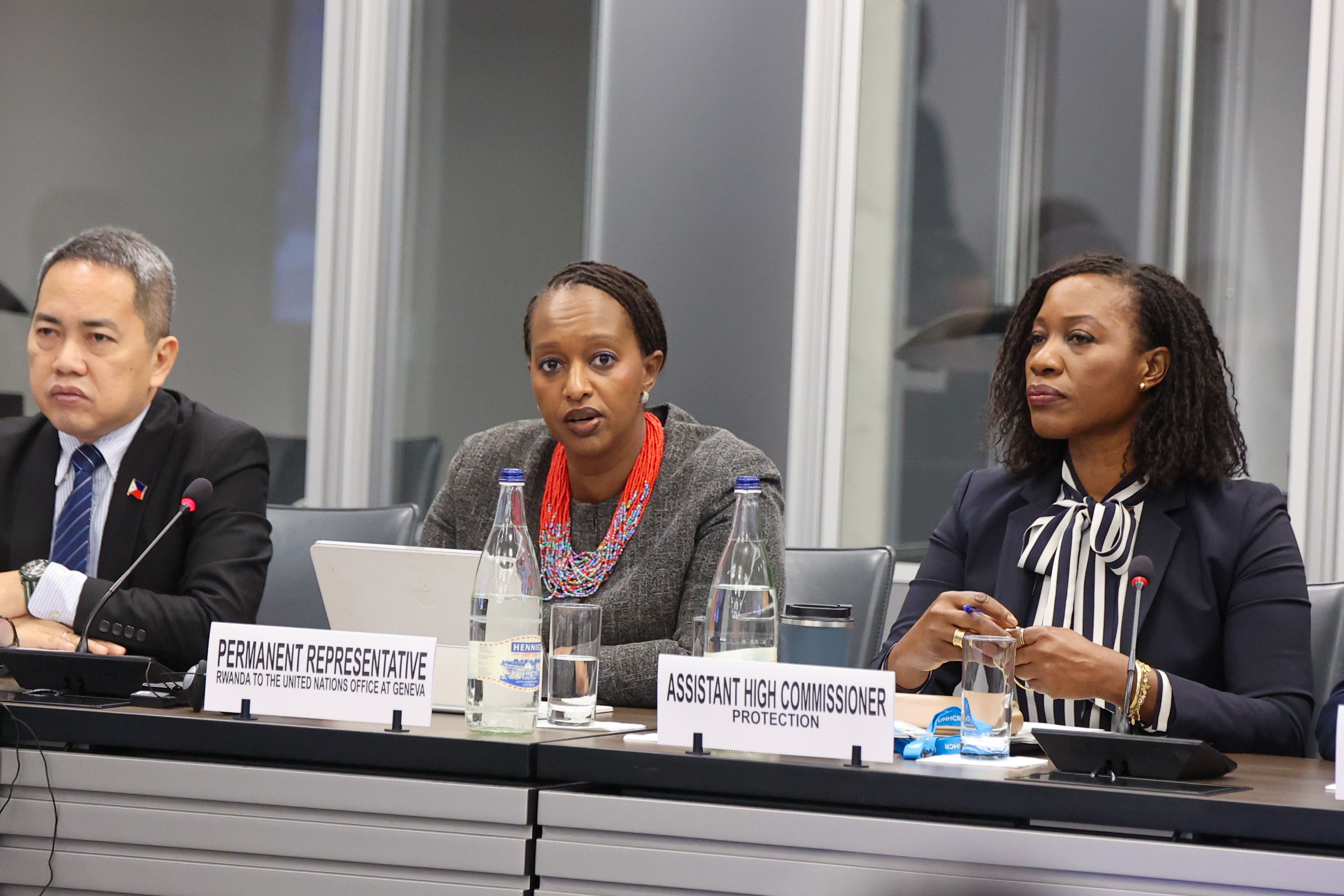
Rwanda’s Statement at the UNHCR ExCom77 Side Event Marking the 65th Anniversary of the Convention on the Reduction of Statelessness
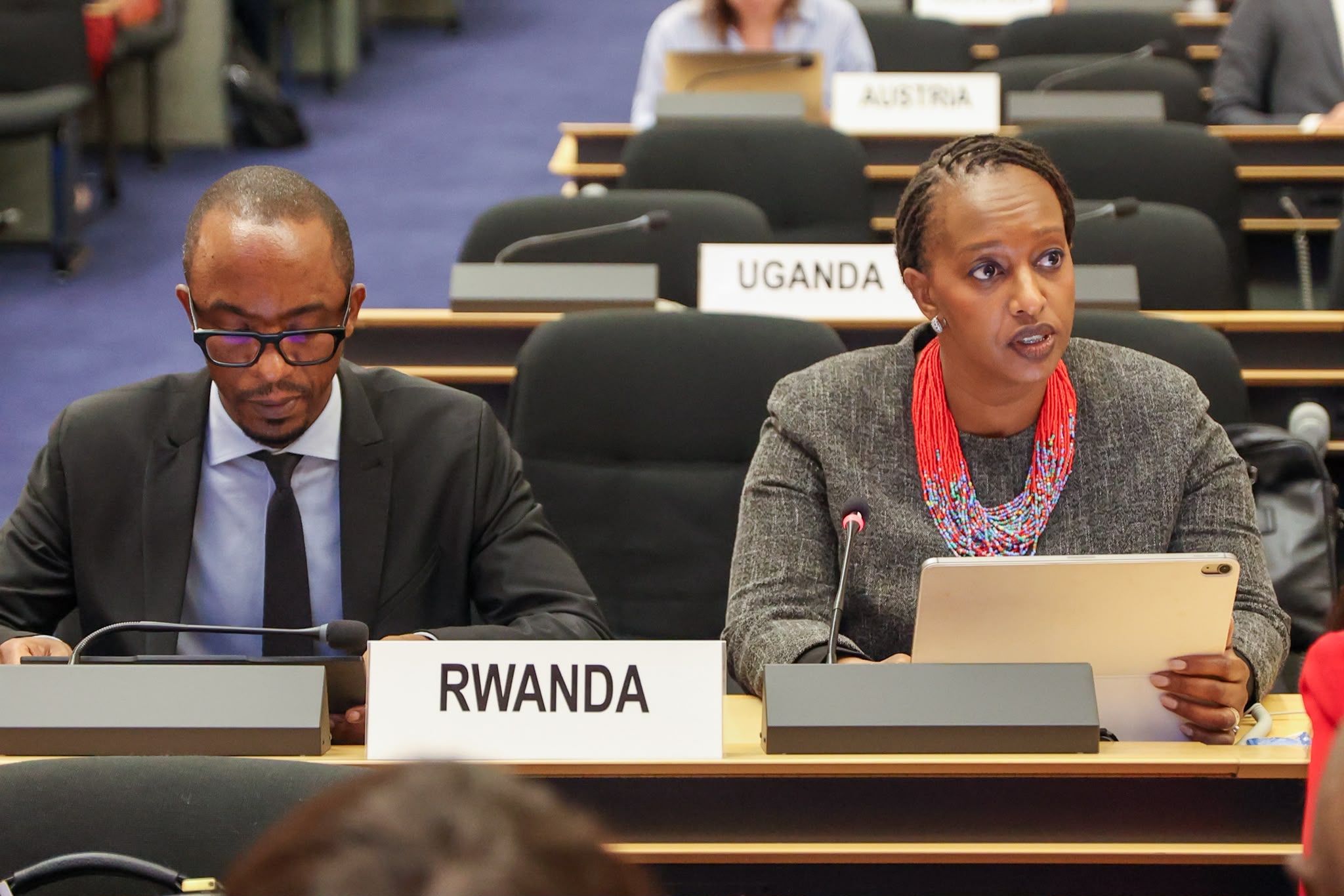
Rwanda's National Statement at the 77th Session of the UNHCR Executive Committee
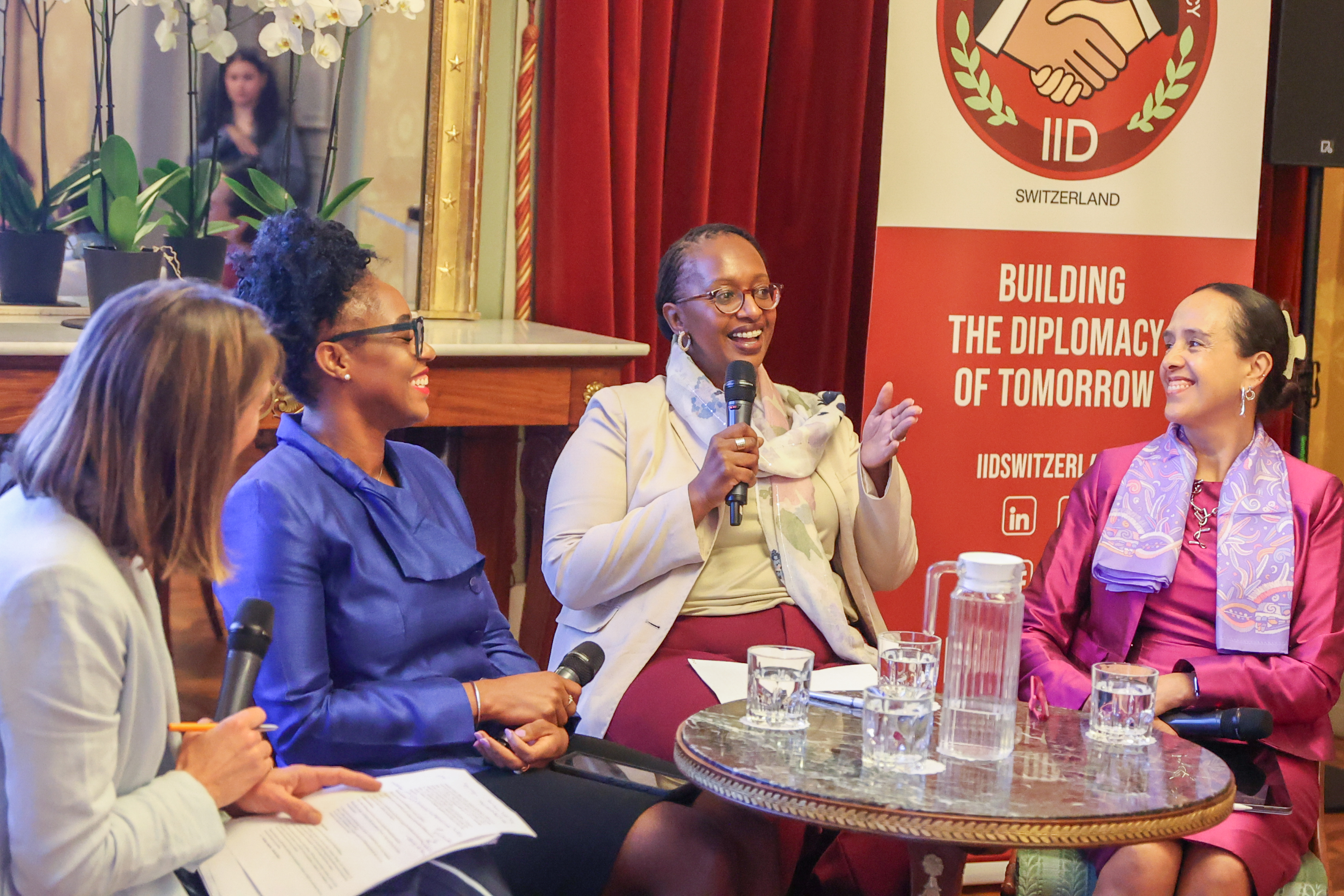
Ambassador Urujeni Bakuramutsa Participates in Roundtable on Women in Diplomacy in Geneva
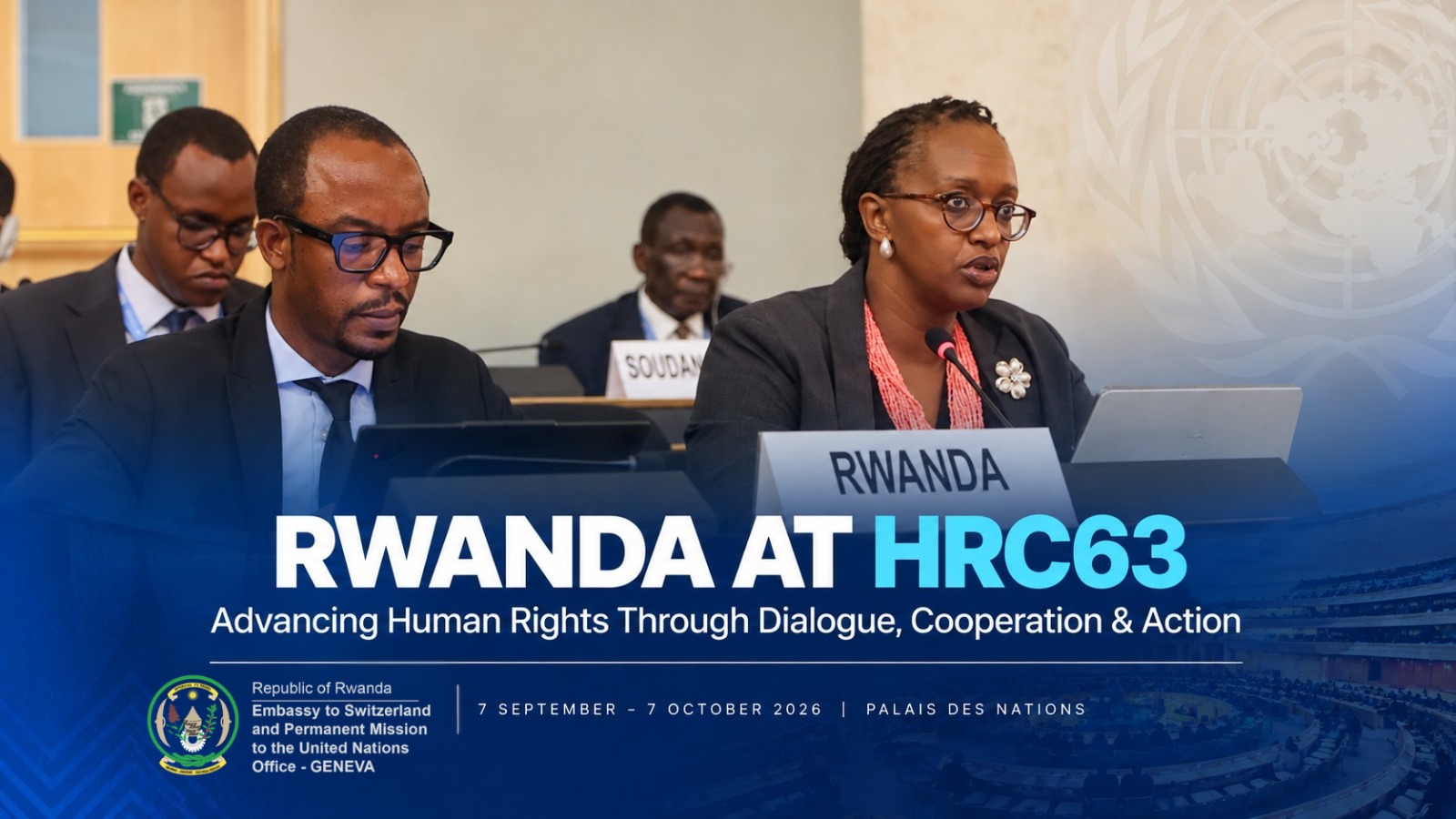
Rwanda’s Engagement at the 63rd Session of the Human Rights Council
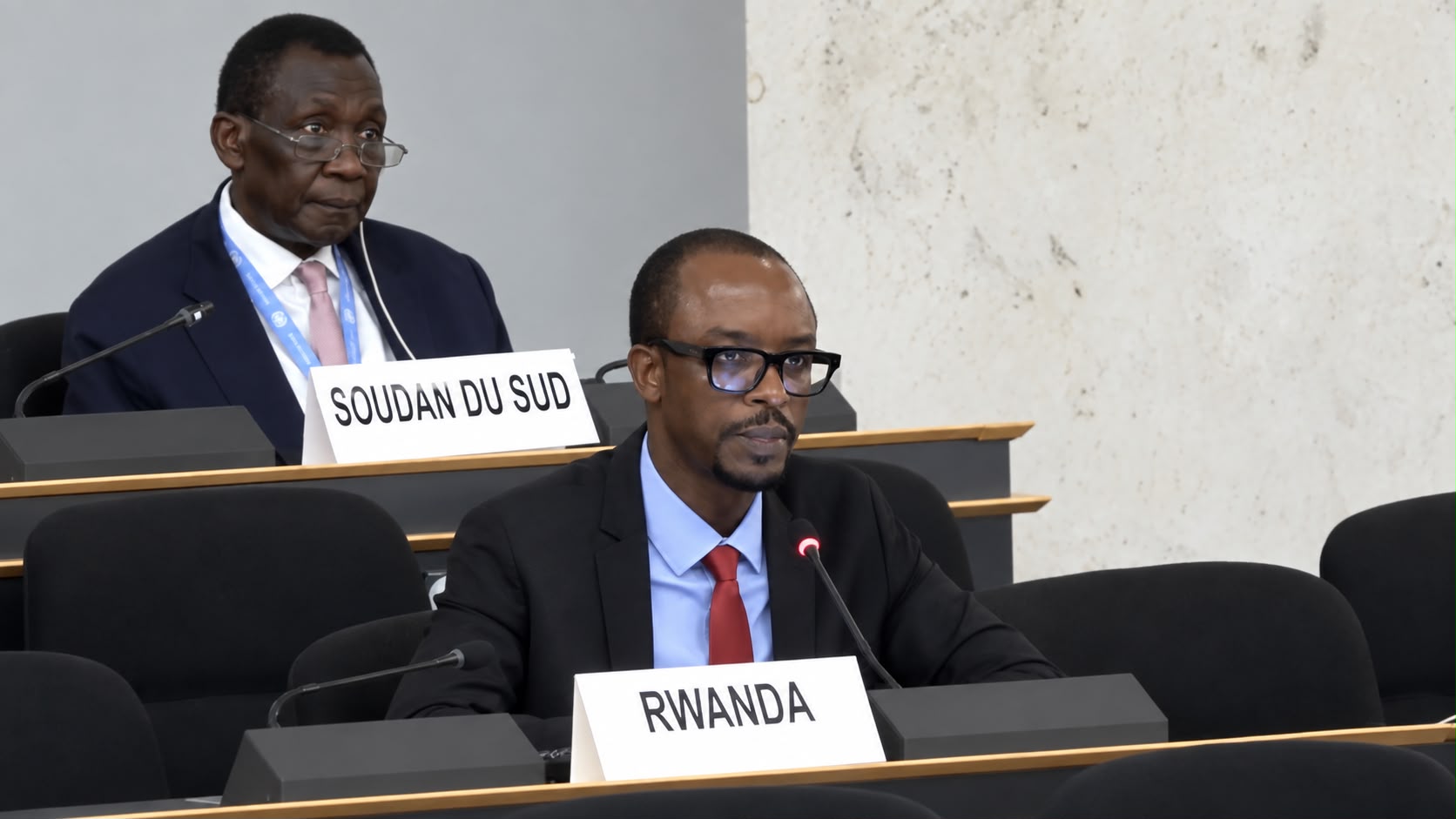
HRC63: Rwanda’s Statement on the Adoption of the Resolution on Technical Assistance and Capacity-Building in the DRC
Rwanda and Switzerland Strengthen Exchanges on Health and Life Sciences
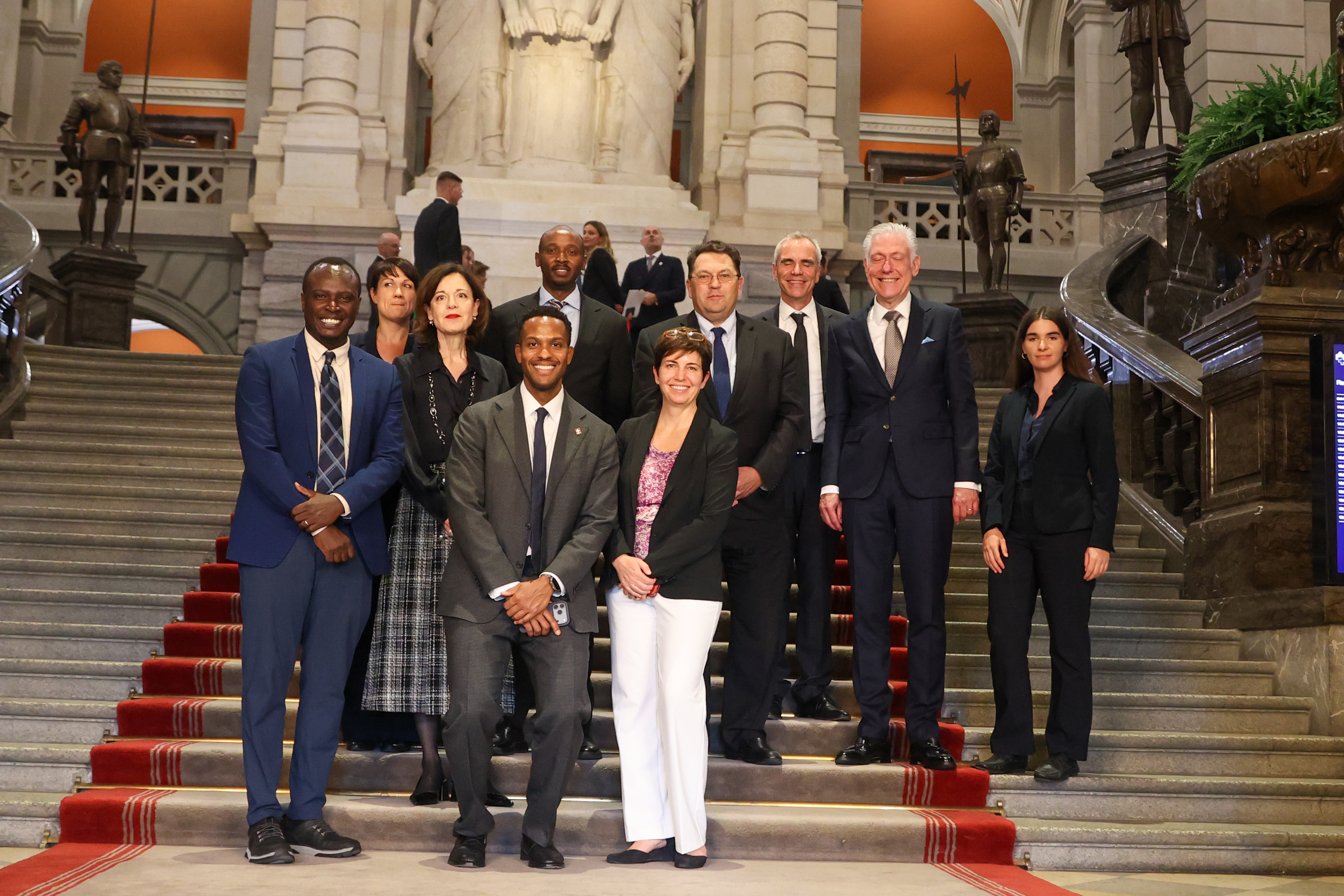
Rwanda's Minister of Health Meets Swiss Parliamentarians in Bern
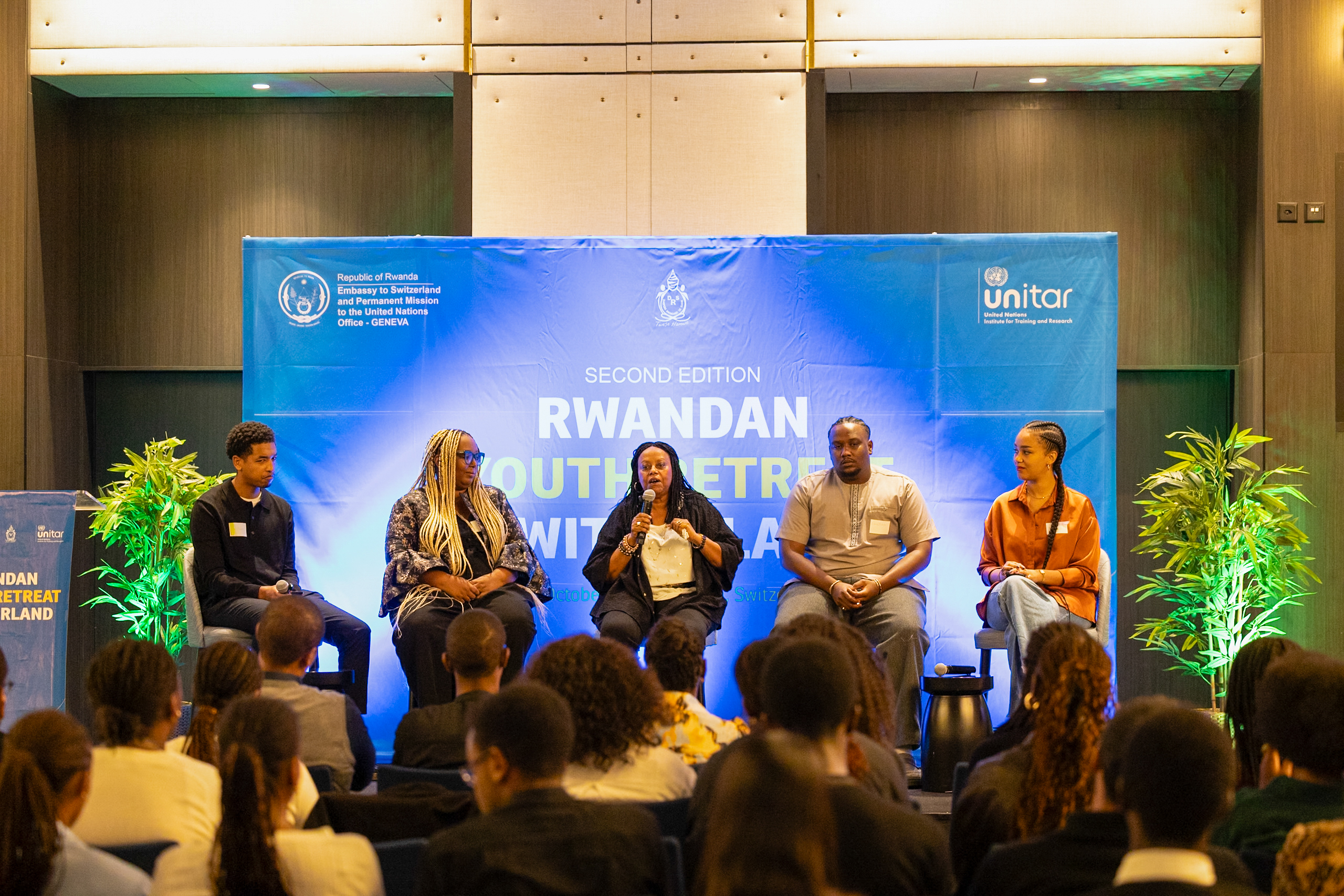
Young Rwandans in Switzerland, Austria and Beyond Chart Pathways for Continued Engagement with Rwanda