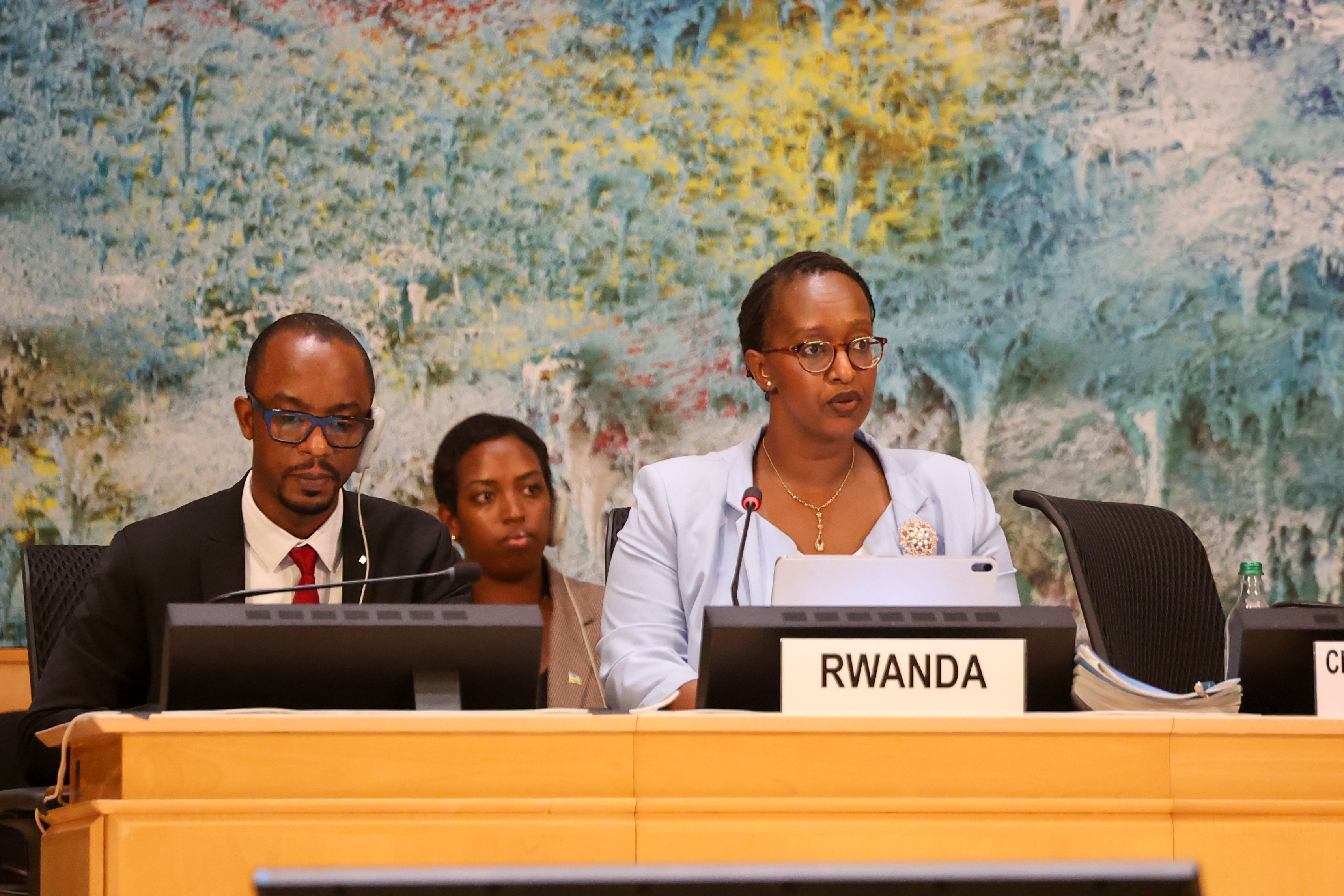
Rwanda's Statements during the Adoption of its Fourth-Cycle UPR Outcome
Rwanda’ s Opening Statement
UPR Outcome Adoption
Tuesday, Geneva, June 30, 2026, Palais des Nations
Thank you, Mr. President,
Excellencies,
Distinguished Members and Observers of the Human Rights Council,
On behalf of the Government of Rwanda, I have the honour to present Rwanda’s formal response to the recommendations received during our fourth cycle of the UPR.
At the outset, allow me to express Rwanda’s appreciation to the Working Group on the Universal Periodic Review, the Human Rights Council Secretariat for its invaluable support throughout the review process and to the 100 Member States that participated in the interactive dialogue during our fourth UPR cycle. We are encouraged by the continued increase in the participation of Member States and stakeholders in Rwanda’s UPR over successive cycles, which reflects the value attached to this cooperative mechanism and contributes to a richer and more constructive dialogue.
We also thank the troika comprising China, Malawi and Equador for their support throughout the review process.
As reflected in the addendum to our report submitted to the Council, a total of 286 recommendations were received during the interactive dialogue held on 21 January 2026.
After careful review and broad cross‑institutional consultations coordinated by the Ministry of Justice through the National Mechanism for Implementation, Reporting and Follow-up (NMIRF), Rwanda has supported 249 recommendations, representing 87.0 per cent of all recommendations received, and has taken note of 37. The outcome of Rwanda’s fourth-cycle UPR was considered by NMIRF members together with other relevant institutions, reflecting the inclusive and participatory nature of the national consultation process.
Rwanda’s position on the recommendations reflects a careful review, guided by national priorities, our international human rights obligations, and the context of implementation capacity and sequencing. By supporting 249 recommendations, Rwanda has demonstrated a clear commitment to implement a significant set of measures across diverse human‑rights areas.
We recall that the UPR is a cooperative, peer‑review mechanism grounded in universality, mutual respect and constructive dialogue. Rwanda remains firmly committed to these principles. Our response to the recommendations is informed by our commitment to protect human rights for all Rwandans, while ensuring national stability, social cohesion and sustainable development.
Where we have taken note of recommendations, this reflects carefully considered decisions based on our national context and our constitutional, legal and institutional framework. Our approach is to accept recommendations that are consistent with our laws, policies and capacities, and to take note of recommendations that require further domestic consideration or do not fully reflect our national context and domestic processes. This includes, for example, recommendations calling for measures premised on the recognition of distinct ethnic categories, whereas our constitutional framework deliberately promotes national unity and equal citizenship, as well as recommendations concerning matters for which effective remedies already exist within our national institutions.
Since our previous review, Rwanda has advanced a set of reforms and concrete measures across multiple human‑rights domains.
We have continued to strengthen our legal framework to give effect to international human‑rights obligations. Legislative reviews and amendments have been undertaken to reinforce protections in areas such as children’s rights, the rights of women and girls, including gender‑based violence, and non‑discrimination, and we remain committed to aligning domestic law with treaty obligations.
Regarding socio‑economic rights, Rwanda continues to implement policies that expand access to quality health care, education, safe water and sanitation, and affordable housing. Social‑protection programmes have been scaled up to reduce vulnerability and promote inclusive development. The Government of Rwanda remains committed to poverty reduction and to achieving the Sustainable Development Goals, recognising that enjoyment of economic and social rights is central to human‑rights fulfilment.
Regarding women’s rights and gender equality, we have taken measures to promote women’s political and economic participation, including ensuring strong representation in public and private sector institutions and strengthening legal protections against gender‑based violence.
On child rights, Rwanda has reinforced child‑protection systems, including strengthening birth registration, measures against exploitation and child labour, and access to education for vulnerable children.
As reflected in the report of the Working Group, Rwanda has strengthened constitutional guarantees in the areas of civil and political rights, governance and justice, and has enhanced the freedoms of opinion, expression, association and peaceful assembly, reinforced press freedom, expanded civic participation and access to information, and improved accountability and the effectiveness of justice institutions, while safeguarding social cohesion and stability.
On human‑rights institutions and civil‑society engagement, Rwanda recognises the important role of independent national institutions and civil‑society organisations. We have implemented reforms to promote constructive engagement, facilitate civil‑society contributions and strengthen the national human‑rights architecture. We will continue to create an enabling environment for civil society to operate constructively, including through public‑consultation processes and lawful participation in public life.
Rwanda firmly believes that human rights and security are complementary and mutually reinforcing. We continue to uphold the rule of law and to protect the rights of all citizens while maintaining national security and public order, ensuring that civic space is exercised responsibly and in accordance with the law, and that a proper balance is maintained between freedom of expression, freedom of association and public order.
Education and community engagement remain central to Rwanda’s approach to human‑rights promotion. We combine classroom education with community‑based dialogue to build a shared culture of rights and responsibilities, strengthen social cohesion and ensure that human‑rights norms are rooted in everyday practice rather than remaining purely legal or institutional commitments.
Regarding the National Human Rights Institution, Rwanda has continued to strengthen the National Commission for Human Rights (NCHR) following the interactive dialogue. A new law governing the Commission, promulgated on 11 June 2026, has expanded its mandate, strengthened legal protections for its staff and updated its governance framework, thereby further reinforcing its effectiveness, independence and capacity to prevent human rights violations. We also highlight that the NCHR was recently re-accredited with A status, in recognition of its continued compliance with the Paris Principles.
Mr. President
Rwanda remains committed to its international human‑rights obligations and will continue to engage constructively with the Human Rights Council, the Universal Periodic Review mechanism and the treaty bodies and the UPR mechanism. As we implement the recommendations we have supported, we will continue to be guided by the principles of objectivity, universality, non-selectivity, constructive dialogue and cooperation.
Rwanda believes that the Universal Periodic Review is most effective when it fosters genuine dialogue, mutual respect and cooperation, while recognising the diversity of national contexts and the different paths through which States fulfil their human rights obligations.
Rwanda remains committed to ensuring accountability for the implementation of the recommendations it has supported. Through the National Mechanism for Implementation, Reporting and Follow-up (NMIRF), we will continue to coordinate implementation, monitor progress and engage with the Human Rights Council and other relevant human rights mechanisms by sharing progress made and challenges encountered.
In closing, Rwanda views the outcome of this review as a mirror reflecting the progress achieved and a roadmap guiding our continued efforts to strengthen the promotion and protection of human rights.
Finally, we invite continued partnership to translate supported recommendations into measurable reforms, thank all States that made contributed to our review, and the many national, regional and global actors who contributed to this process, and look forward to the Council’s adoption of our fourth-cycle UPR outcome.
I thank you.
Rwanda’ s Concluding Statement (5 minutes)
UPR Outcome Adoption
Tuesday, Geneva, June 30, 2026, Palais des Nations
Mr. President
On behalf of the Government of Rwanda and of my delegation, I thank all delegations that engaged in our UPR adoption process, those who spoke here, those who attended and those who followed online.
The recommendations we supported present an opportunity to further advance human rights. They will be an important guide to the GoR’s human rights agenda for the next five years and are important for the furtherance of human rights safeguards in Rwanda.
Preparations for the national implementation process, including awareness-raising on the recommendations received during the review, are already underway. Indeed, stakeholder consultations did not wait for the Council’s adoption of the report. They commenced immediately after the interactive dialogue to build national ownership of the process and keep stakeholders and the public informed of the discussions and recommendations emerging from the review.
Rwanda’s approach to human rights is intrinsically linked to its broader socio‑economic development aspirations. Guided by Vision 2050 and the National Strategies for Transformation, we view the promotion and protection of human rights as a constitutional, international and moral obligation, as well as a foundation for inclusive and sustainable development.
By investing in human capital, reducing poverty and inequality, strengthening accountable institutions and ensuring that the benefits of development reach all segments of society, Rwanda aims to create a society in which every person can live in dignity, exercise their rights and contribute meaningfully to national progress.
As we conclude the fourth cycle, we recognise that the real measure of success will be the work ahead. Rwanda will pursue implementation actively and transparently, in partnership with national institutions, civil society, community stakeholders, and development partners.
We will prioritise measurable progress, capacity‑building and inclusive dialogue to ensure the sustained and effective realisation of the rights set out in our commitments.
Mr. President, allow me to conclude by once again expressing our sincere appreciation to all stakeholders, including Rwandan civil society organizations, United Nations agencies, members of the Diplomatic Corps, the private sector, development partners and Government institutions, for their commitment, hard work and invaluable contributions throughout this review. As we embark on the implementation of this cycle and prepare for the next, we look forward to your continued partnership and support.
I thank you.
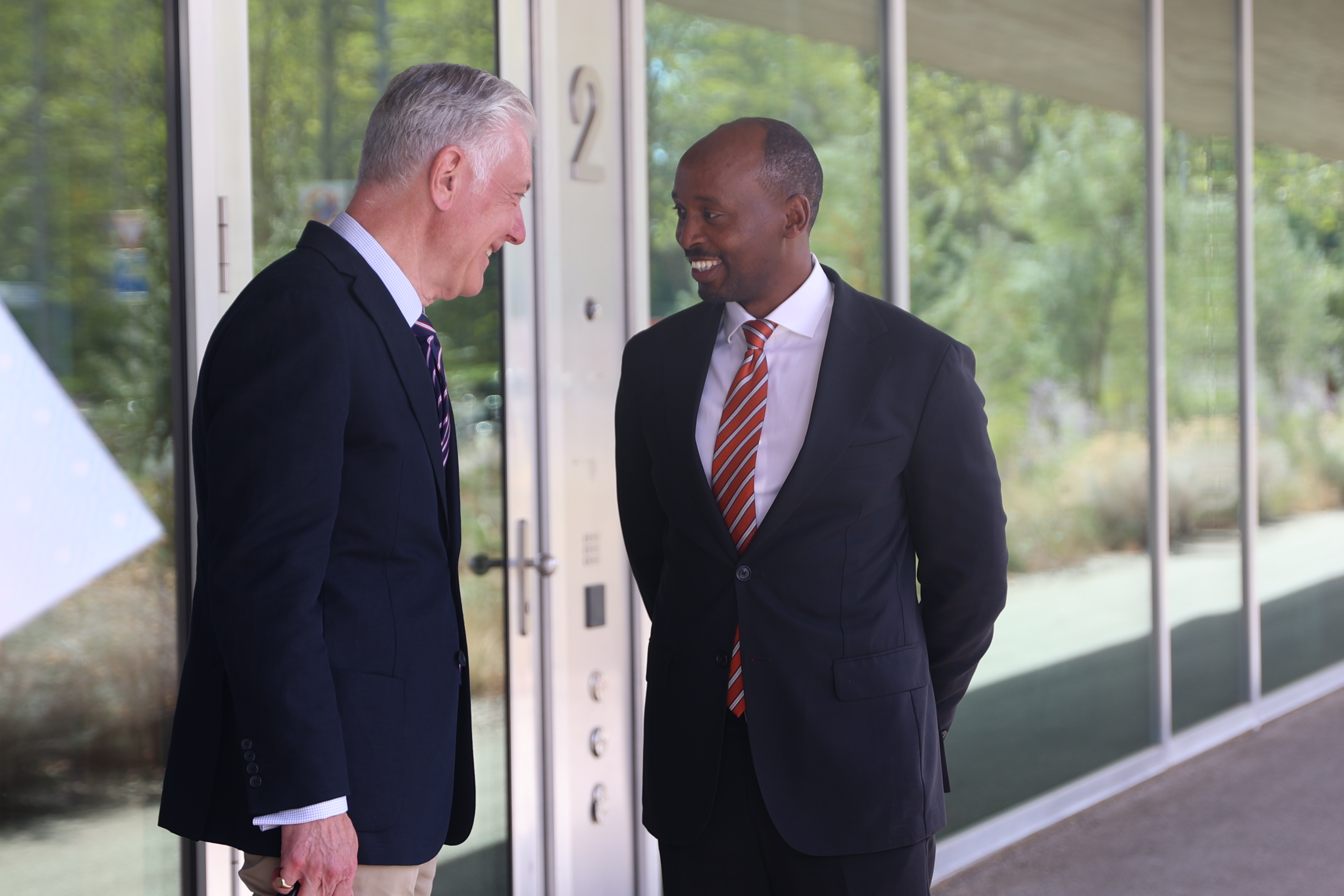
Rwanda and Switzerland Strengthen Exchanges on Health and Life Sciences
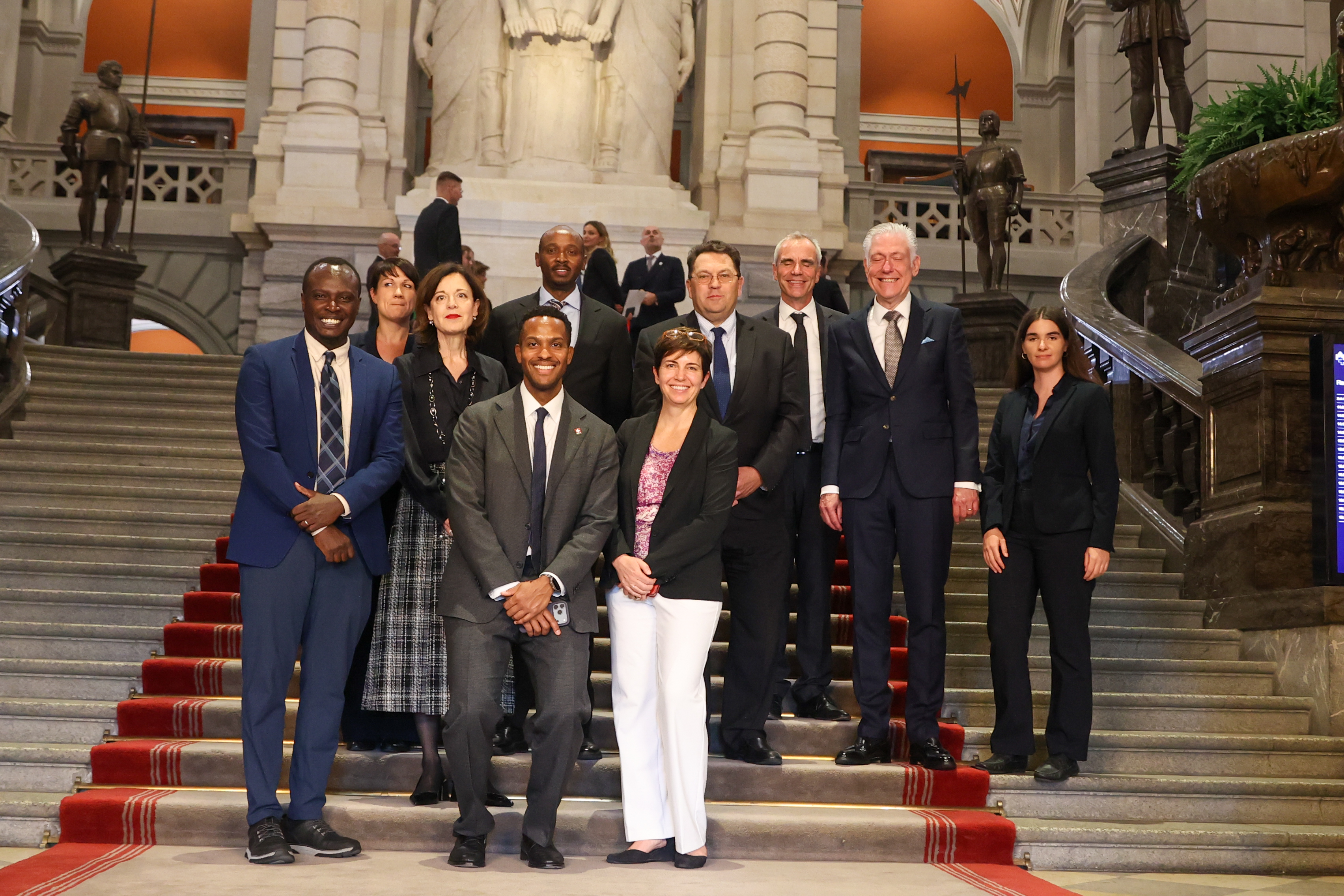
Rwanda's Minister of Health Meets Swiss Parliamentarians in Bern
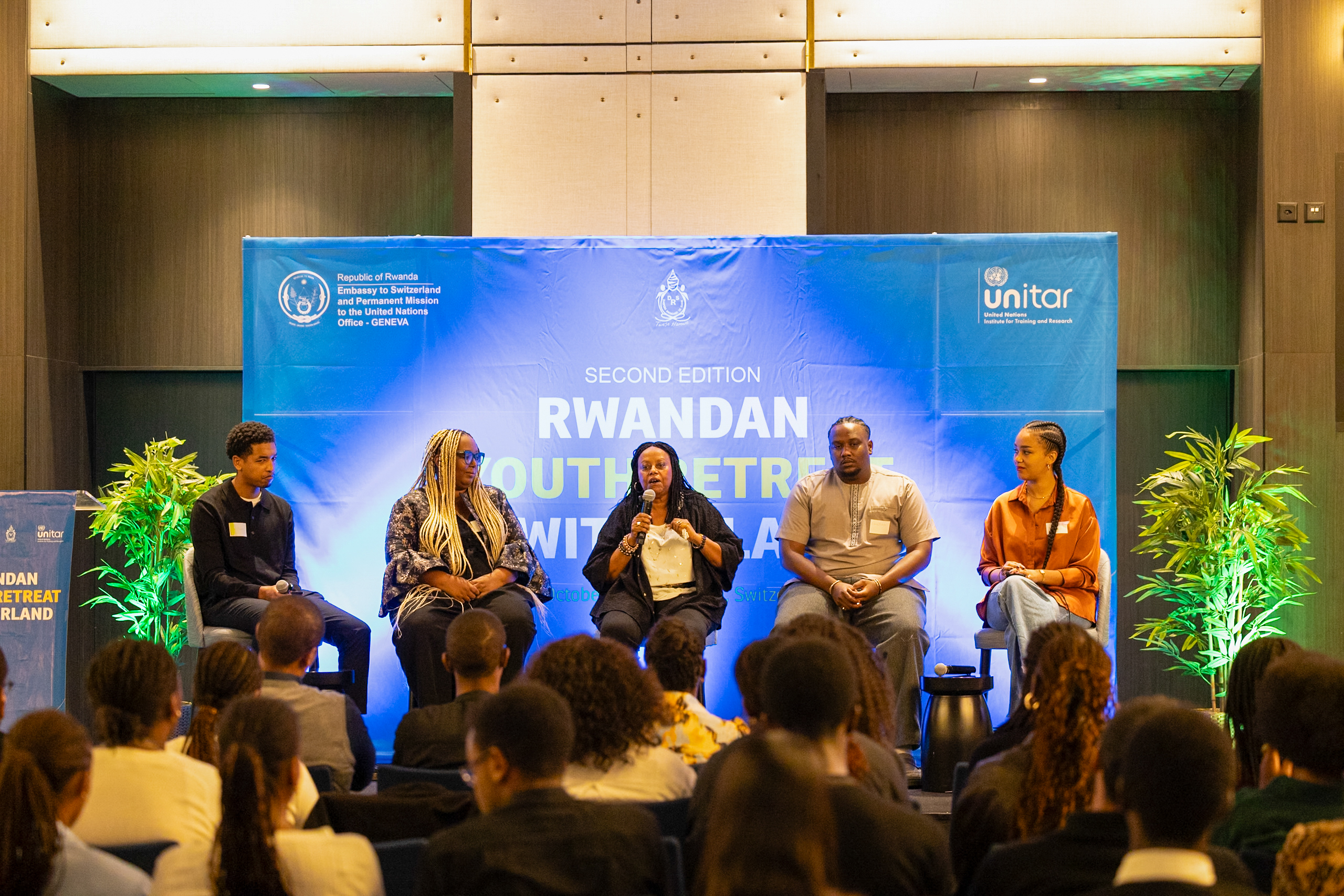
Young Rwandans in Switzerland, Austria and Beyond Chart Pathways for Continued Engagement with Rwanda
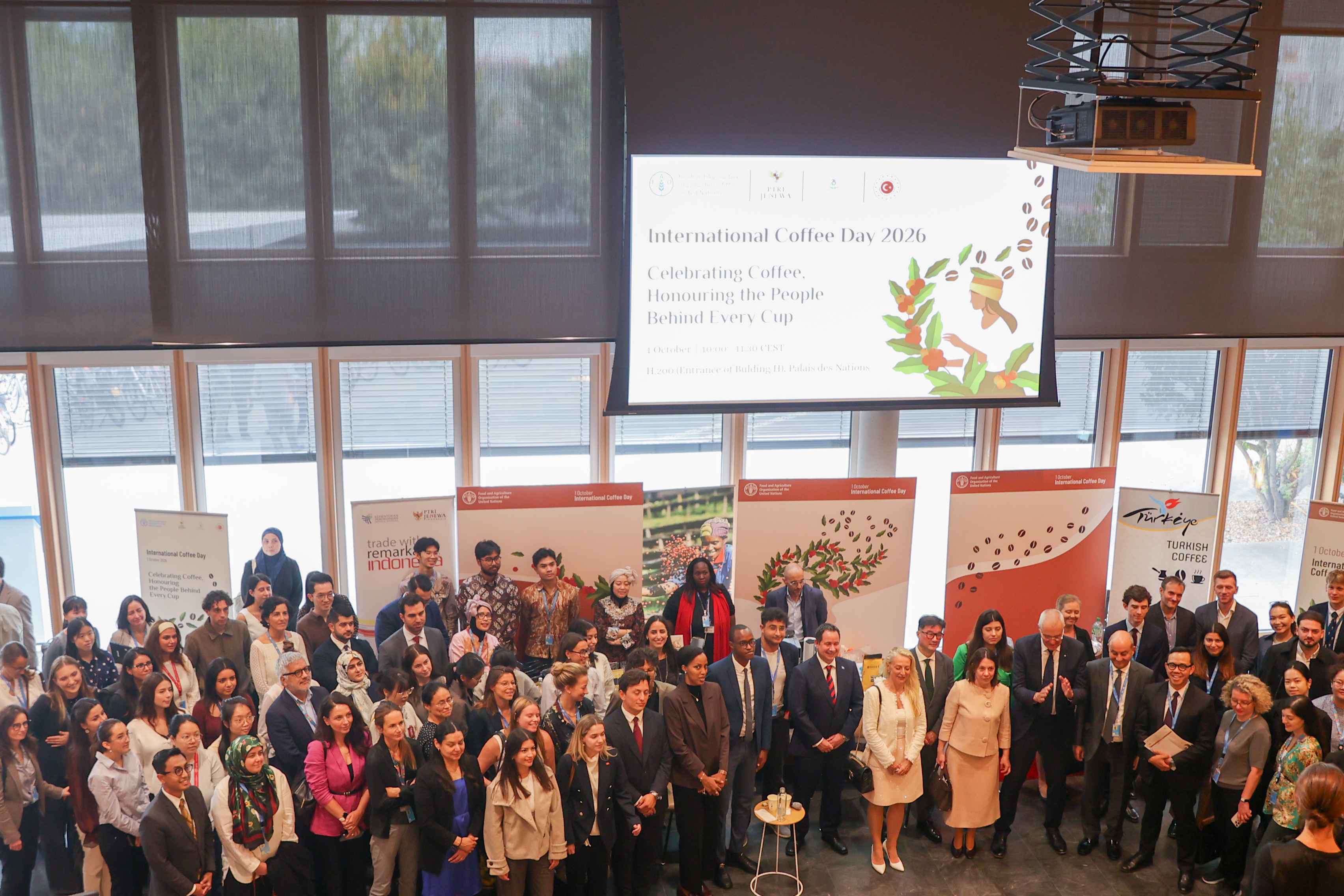
Rwanda Co-hosts First-ever International Coffee Day Celebration at UN Geneva
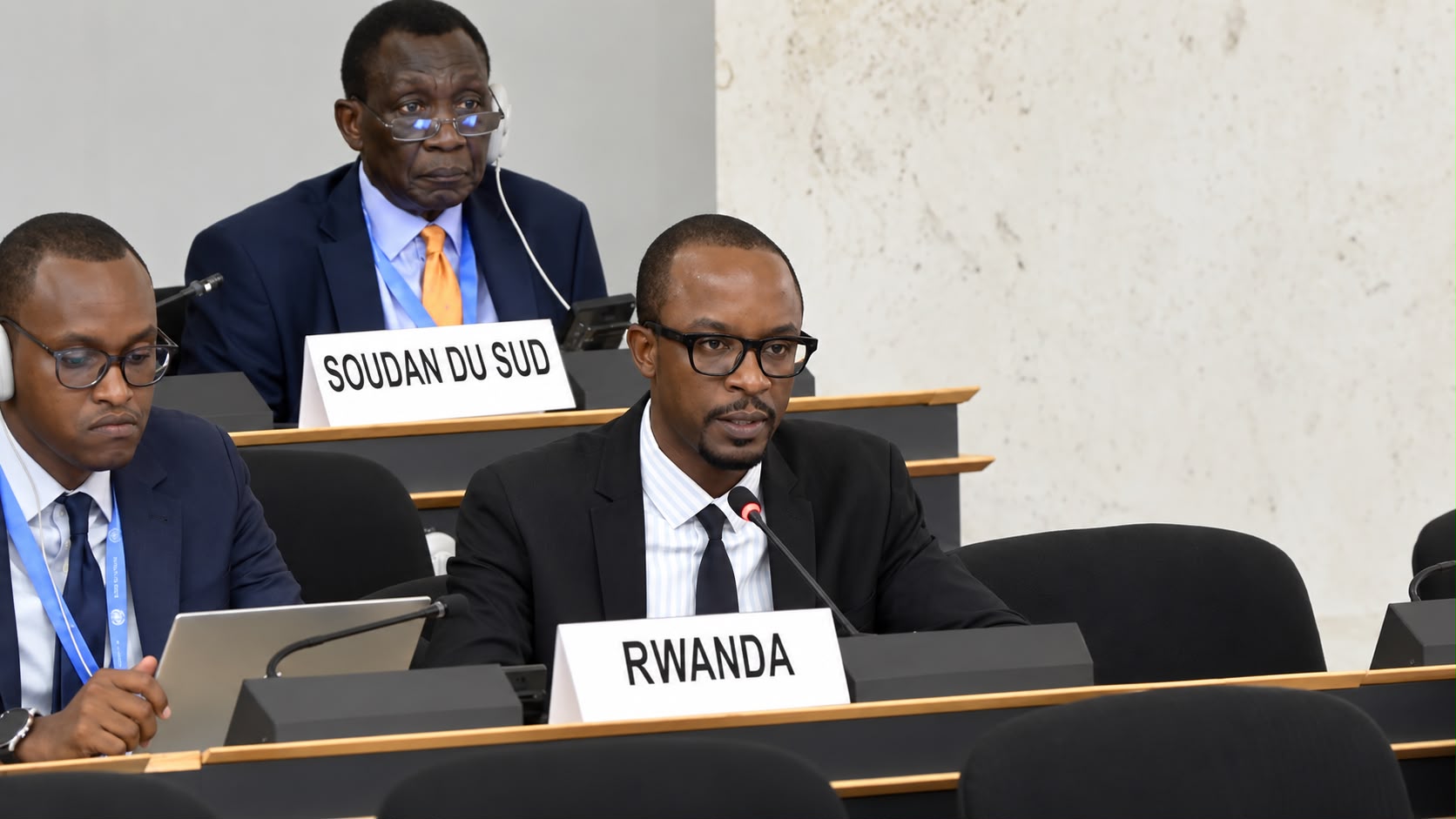
HRC63: Interactive Dialogue (ID) on High Commissioner’s Comprehensive Report on the Situation of human rights in the Democratic Republic of the Congo
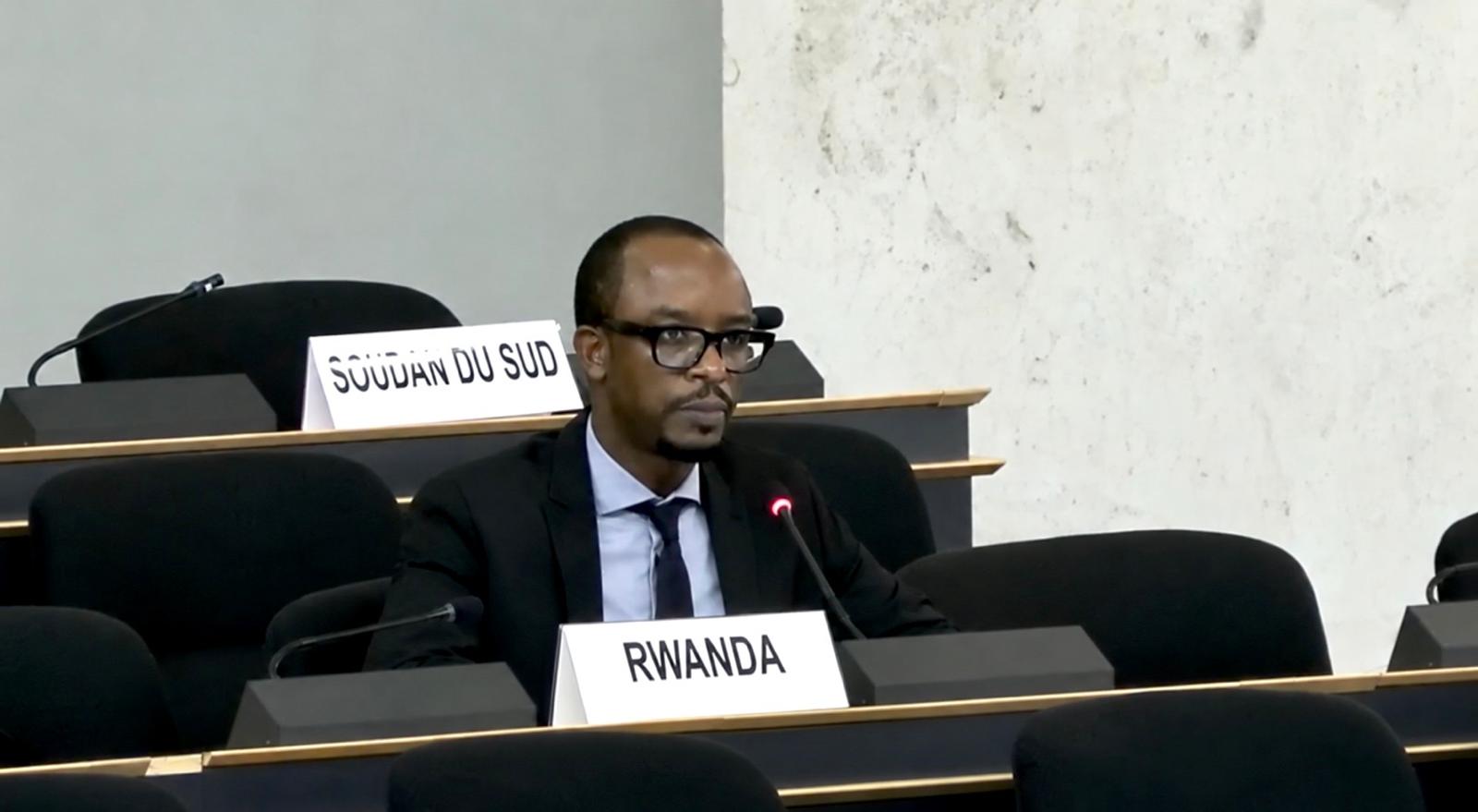
HRC63: RWANDA’S STATEMENT DURING THE GENERAL DEBATE UNDER AGENDA ITEM 10 (TECHNICAL ASSISTANCE AND CAPACITY BUILDING)
Three New Citizens Take Oath of Rwandan Nationality
UNCTAD TDB RWANDA'S STATEMENT DURING THE GENERAL DEBATE