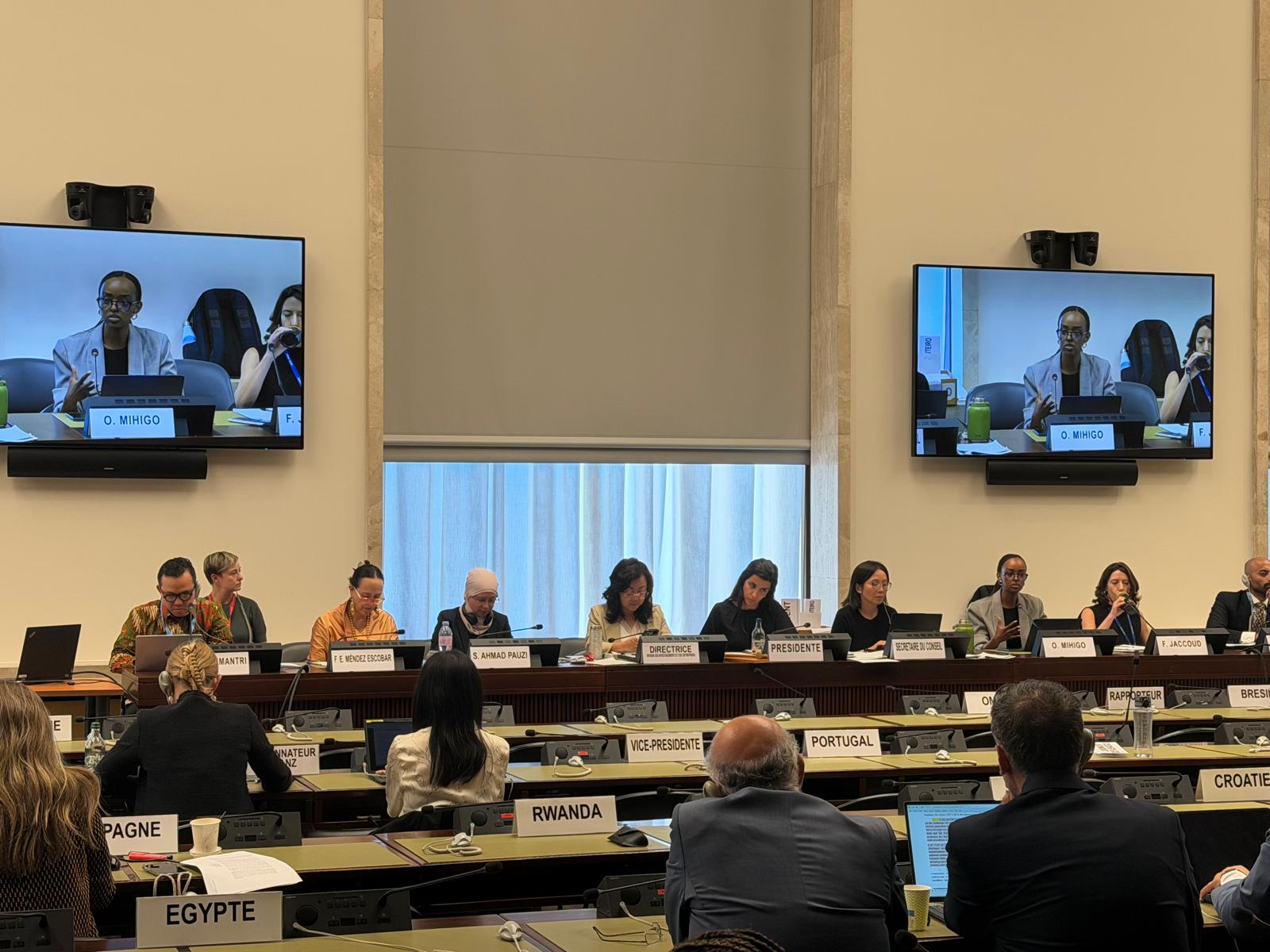
UNCTAD TDB: Rwanda’s Statement on Investment and Enterprise for Development
Thank you, President.
The World Investment Report 2026 provides a timely analysis of the structural changes reshaping international investment. One of its key messages is that investment flows are becoming more concentrated and selective, and increasingly shaped by strategic and policy considerations. Although investment is expanding in areas such as digital technologies, artificial intelligence, energy-transition technologies and critical minerals, many developing countries remain at risk of being left at the margins of these flows.
From Rwanda’s perspective, the report is particularly valuable because it focuses on how developing countries can identify realistic entry points into growing sectors, strengthen domestic productive capacities and use regional integration to create scale and build resilience.
We also appreciate the report’s recognition of Rwanda’s Industrial Policy 2024–2034 as an example of a structured approach to sector prioritization in a capacity-constrained setting. In practical terms, Rwanda’s approach has been to concentrate limited resources on feasible opportunities, align investment promotion with national development priorities and apply more targeted and performance-based incentives.
The increase in foreign direct investment inflows to approximately 967 million dollars in 2025 is encouraging and reflects Rwanda’s continued efforts to strengthen its investment environment. This progress builds on more than a decade of sustained reforms aimed at improving the ease of doing business, strengthening investment facilitation and attracting higher-quality investment.
An important example is the 2021 Investment Promotion and Facilitation Law, which introduced a more targeted framework for investment incentives and prioritized strategic sectors. This is complemented by the sector priorities set out in Rwanda’s Industrial Policy and by the National Strategy for Transformation, with its emphasis on quality job creation, skills development and inclusive economic transformation, including greater opportunities for women and young people.
Taken together, these measures seek to reinforce the links between investment facilitation, private-sector development, export competitiveness and inclusive structural transformation.
Of course, national reforms alone are not sufficient. At the international level, greater predictability and cooperation remain essential. Developing countries need adequate policy space to pursue structural transformation, alongside transparent and stable investment conditions.
Regional integration is equally important, but it must be supported by practical measures. These include stronger systems for standards, testing and certification, customs digitalization, trade facilitation and supplier development. Such support is necessary if local enterprises are to connect more effectively to regional and global production networks.
Against this background, we would welcome UNCTAD’s continued support to developing countries in designing coherent investment and industrial policies and attracting investment that advances sustainable development, rather than deepening existing divides.
Thank you.
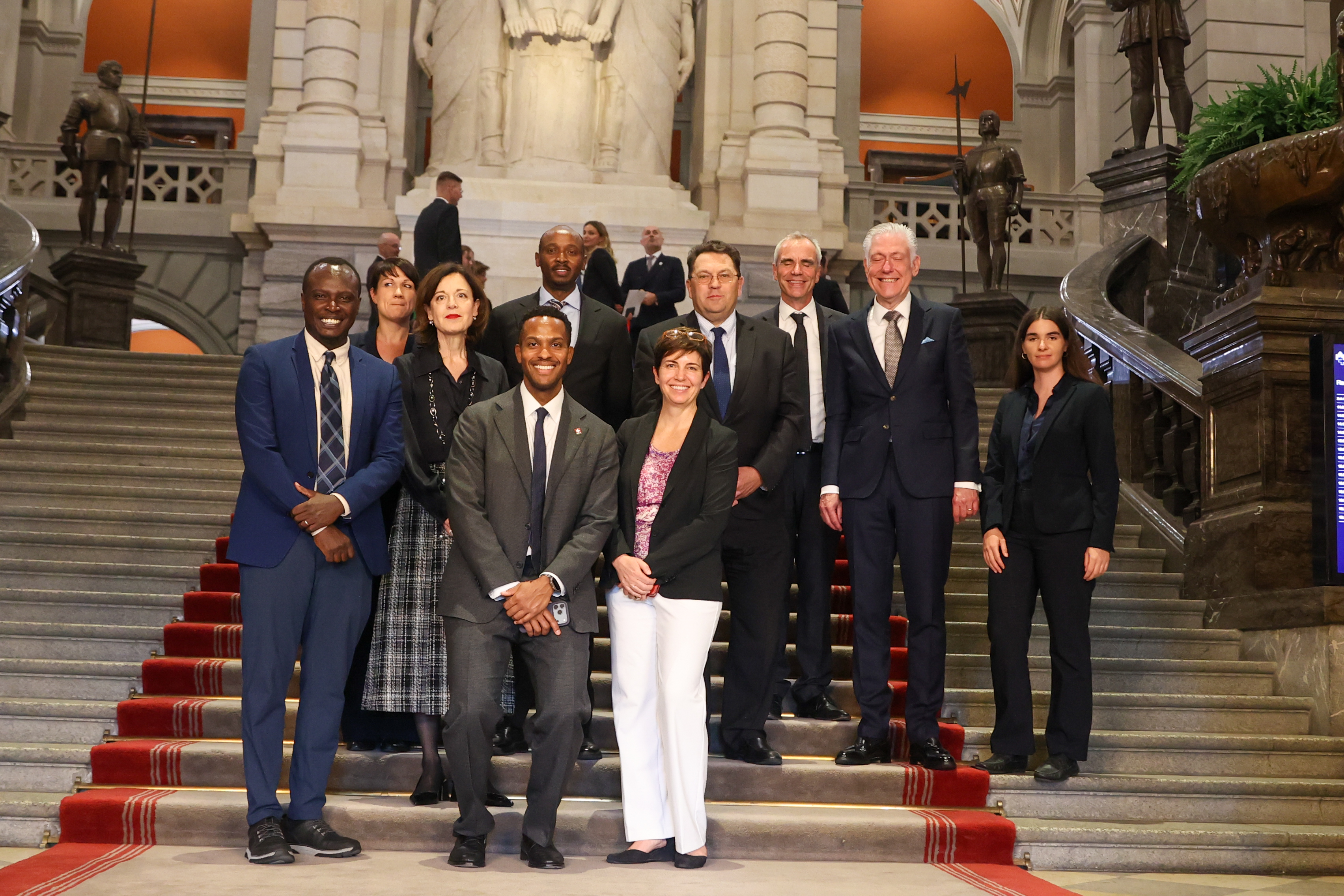
Rwanda's Minister of Health Meets Swiss Parliamentarians in Bern
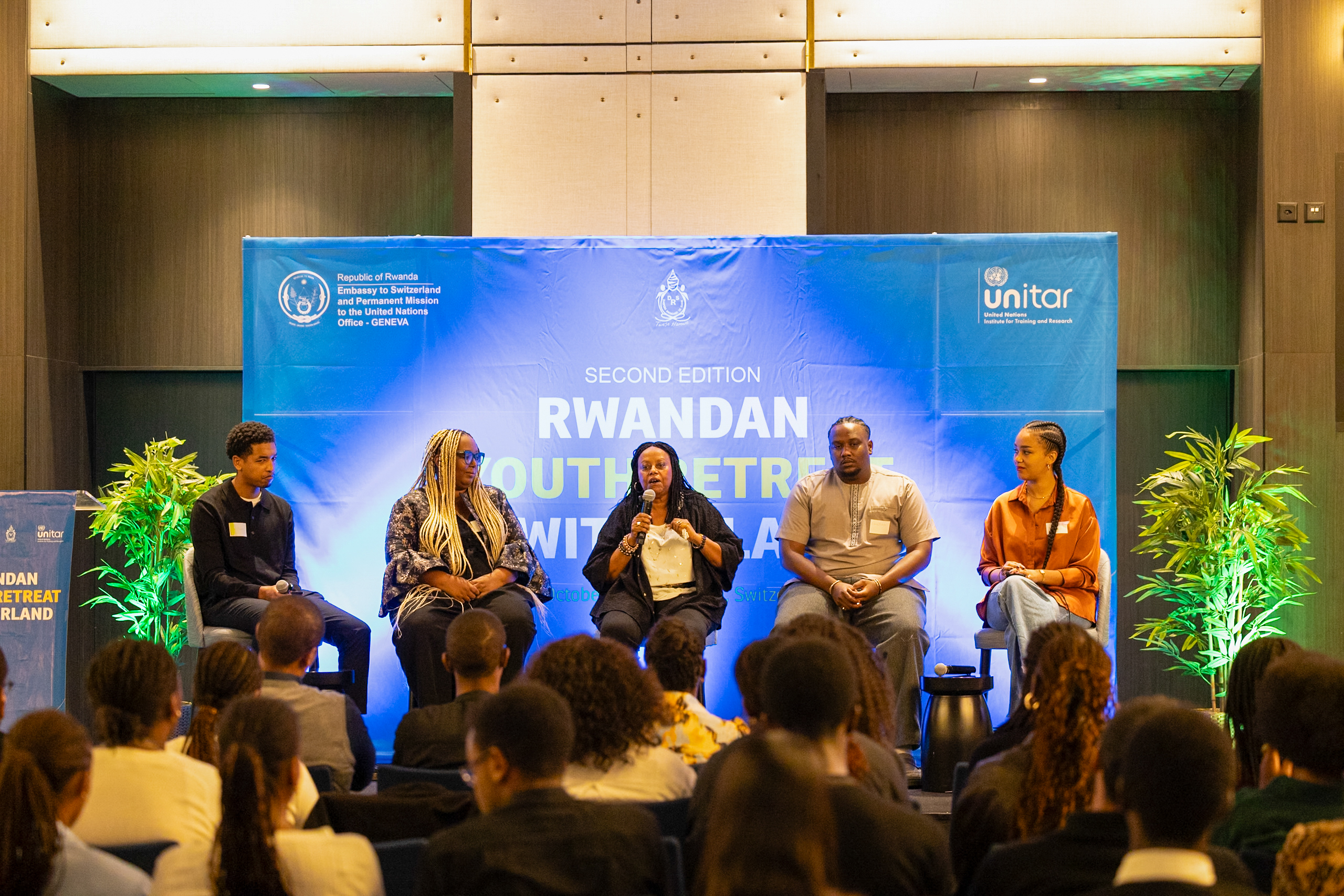
Young Rwandans in Switzerland, Austria and Beyond Chart Pathways for Continued Engagement with Rwanda
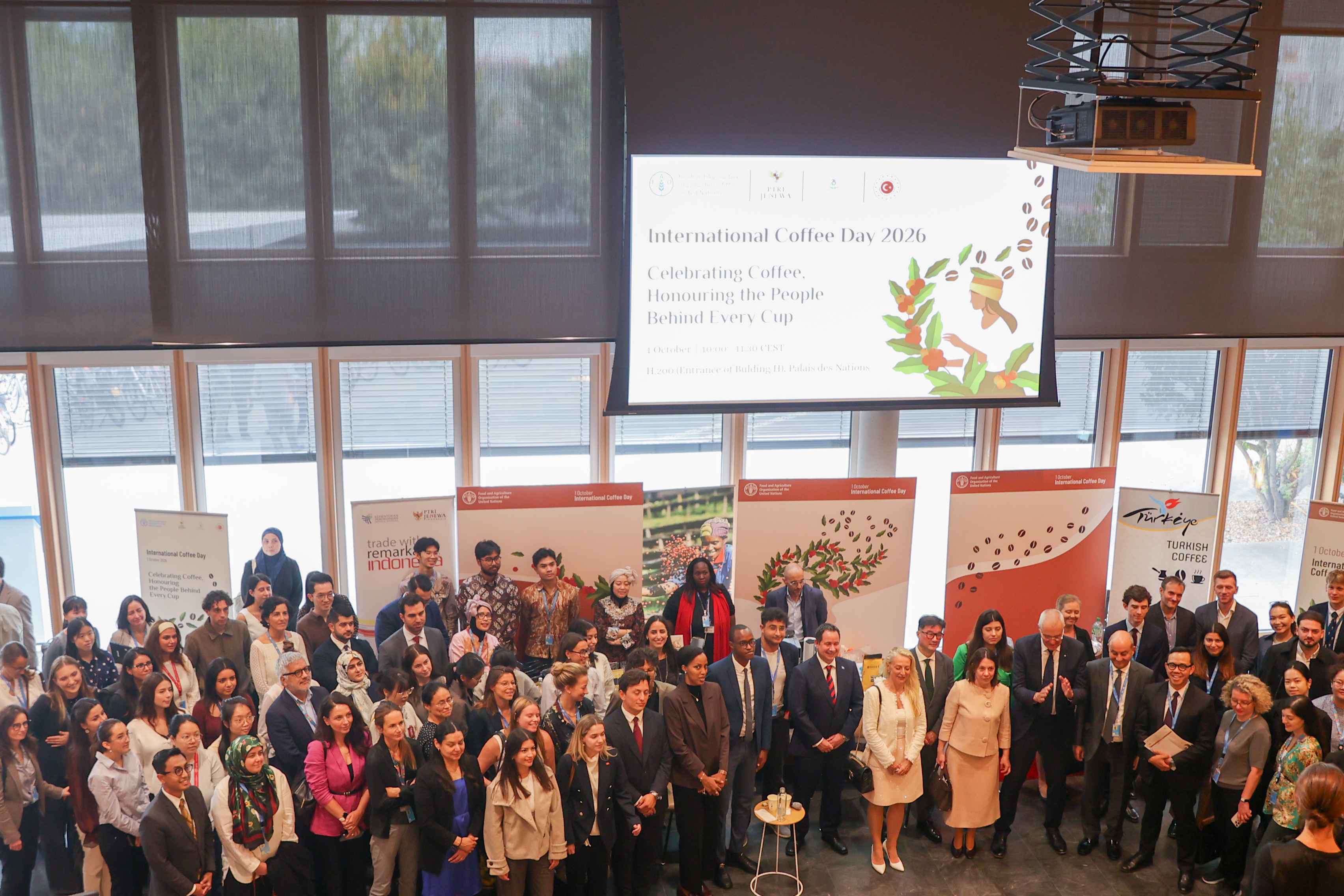
Rwanda Co-hosts First-ever International Coffee Day Celebration at UN Geneva
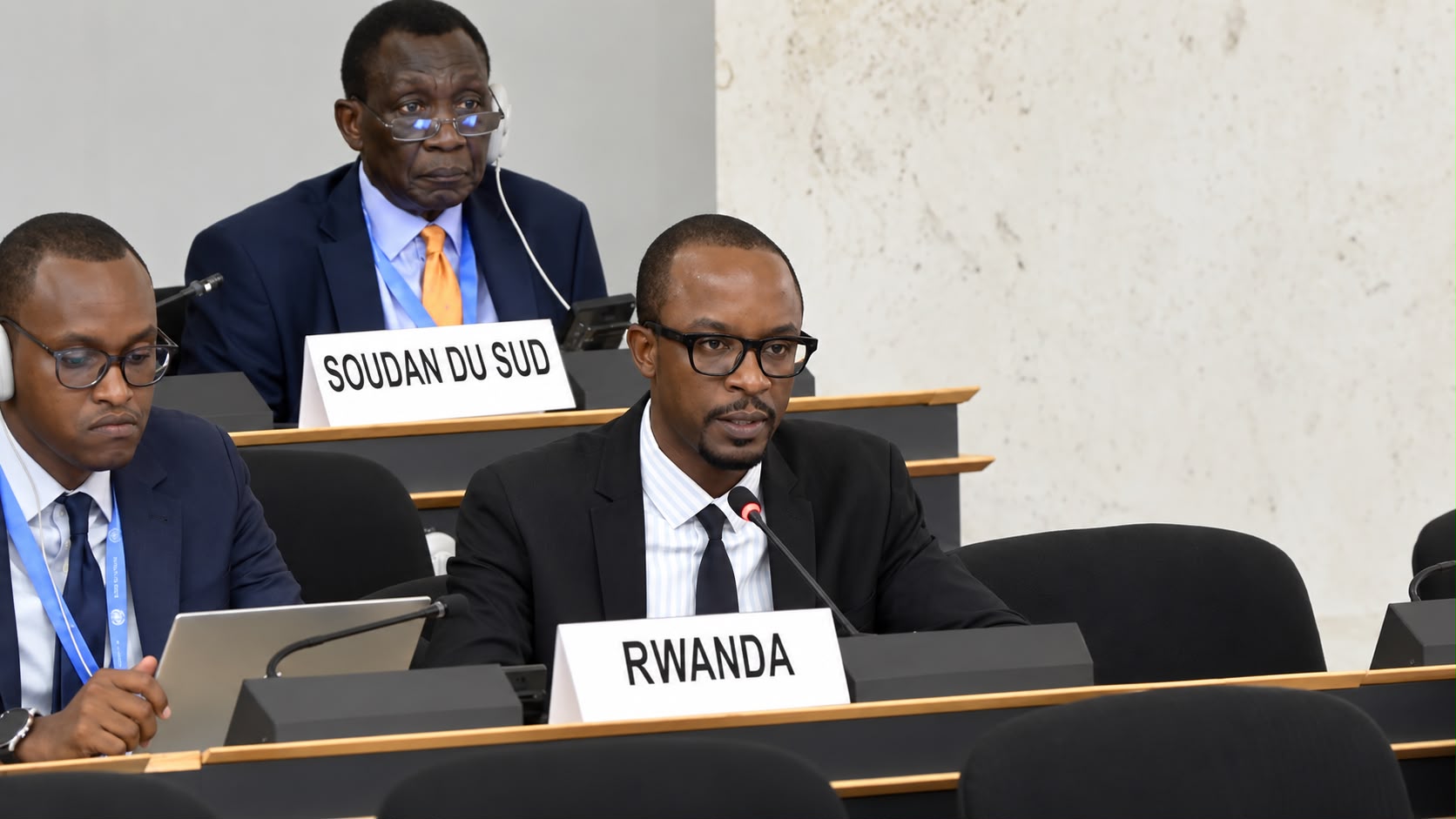
HRC63: Interactive Dialogue (ID) on High Commissioner’s Comprehensive Report on the Situation of human rights in the Democratic Republic of the Congo
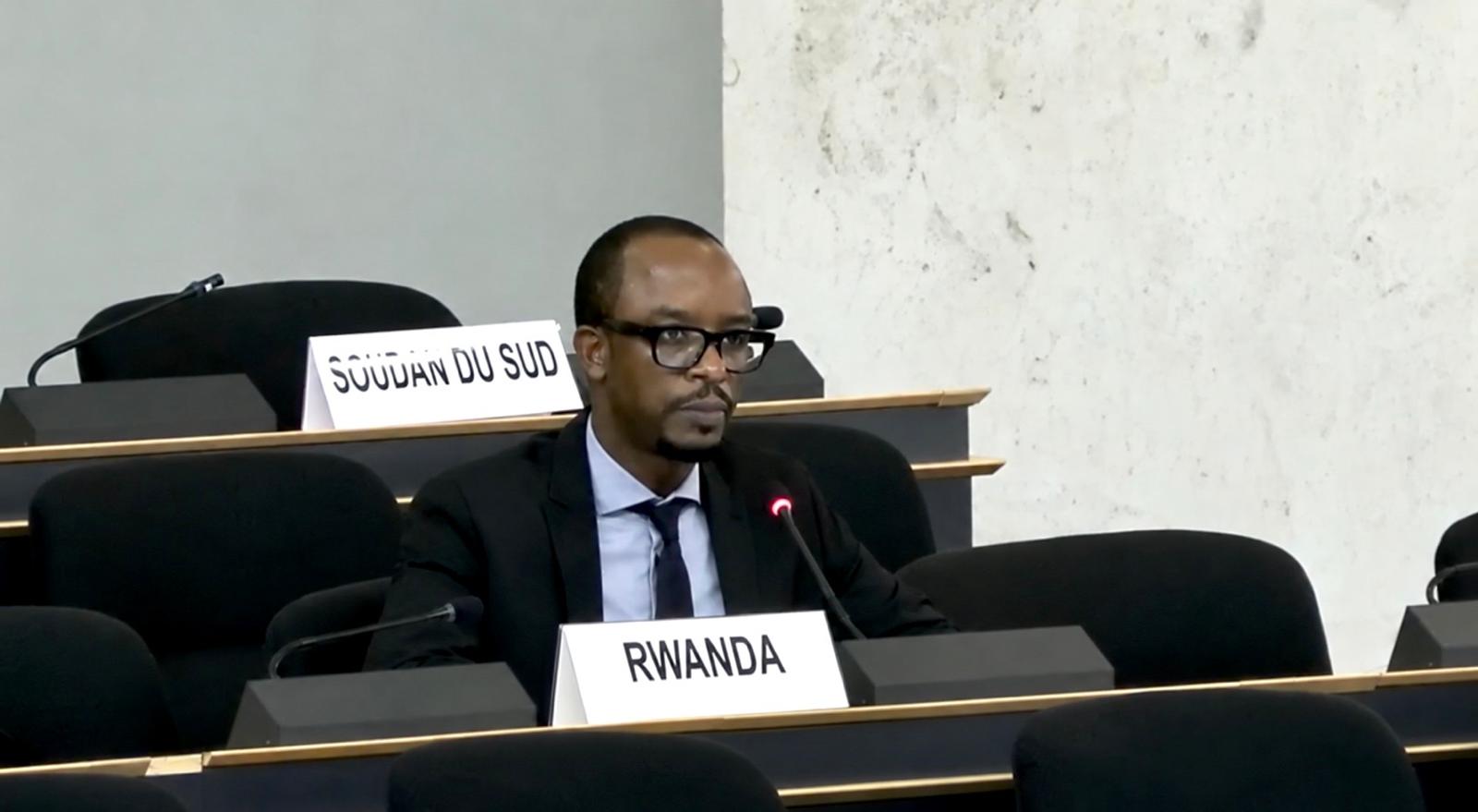
HRC63: RWANDA’S STATEMENT DURING THE GENERAL DEBATE UNDER AGENDA ITEM 10 (TECHNICAL ASSISTANCE AND CAPACITY BUILDING)
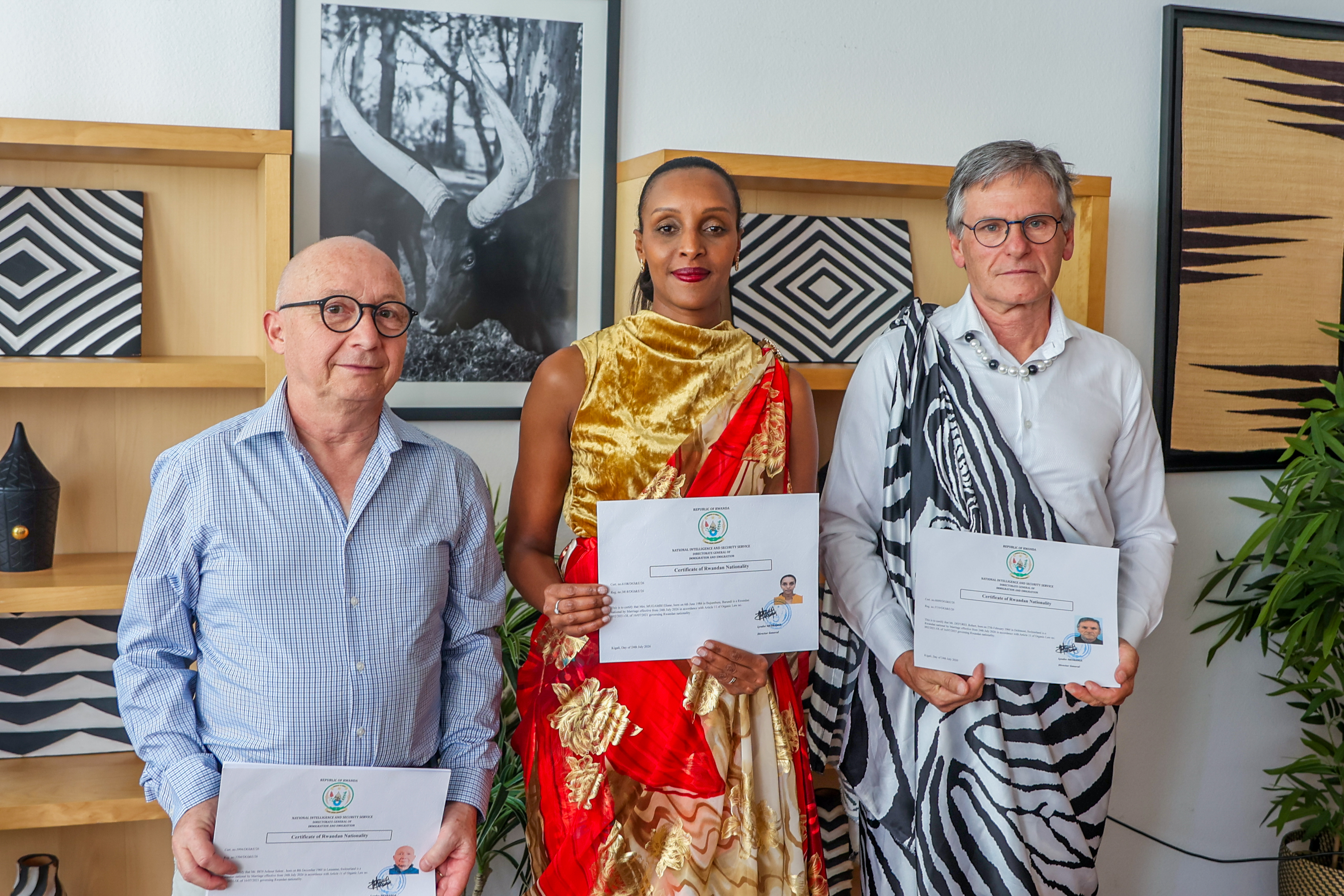
Three New Citizens Take Oath of Rwandan Nationality
UNCTAD TDB RWANDA'S STATEMENT DURING THE GENERAL DEBATE

Rwanda to Co-Host First International Coffee Day Celebration in Geneva