UNCTAD TDB: Rwanda’s Statement during the High-Level Segment on the Impact of Hormuz Disruptions on Developing Countries
Thank you, Madam President.
Rwanda warmly congratulates H.E. Ambassador Dr. Fancy Too, Permanent Representative of Kenya on her election as President of the Trade and Development Board, as well as the newly elected members of the Bureau.
Rwanda welcomes this timely discussion on the impact of disruptions in the Strait of Hormuz on energy, food security and sustainable development, and thanks the Acting Secretary-General and the distinguished panellists for their valuable contributions.
Recent disruptions demonstrate how rapidly shocks affecting major trade and energy corridors can translate into higher fuel, fertilizer, freight and food prices. These effects are particularly severe for developing countries with limited fiscal space and a high dependence on imported petroleum products and other essential goods.
For landlocked developing countries, the impact is compounded by long transport routes, dependence on transit corridors and limited alternatives when global supply chains are disrupted. Higher fuel and freight costs are transmitted across the economy, increasing the cost of agricultural production, transport and essential goods, while placing additional pressure on businesses and households.
Our response must therefore combine immediate measures to safeguard access to essential supplies with longer-term investment in resilience. This includes diversifying supply sources and import routes, strengthening regional transport and energy connectivity, maintaining adequate strategic reserves, accelerating the transition towards renewable energy, and building more productive and climate-resilient food systems.
Developing countries also require access to affordable and predictable financing to manage such shocks without diverting resources from long-term development priorities.
Rwanda underlines the importance of keeping international trade and transport routes open and avoiding measures that could further aggravate volatility or restrict access to fuel, fertilizers, food and other essential goods. Greater transparency, international cooperation and timely support for the most affected countries will be essential.
UNCTAD has an important role to play in assessing the development impacts of these disruptions, supporting vulnerable countries in strengthening their productive and supply-chain resilience, and ensuring that the particular circumstances of landlocked developing countries inform the global policy response.
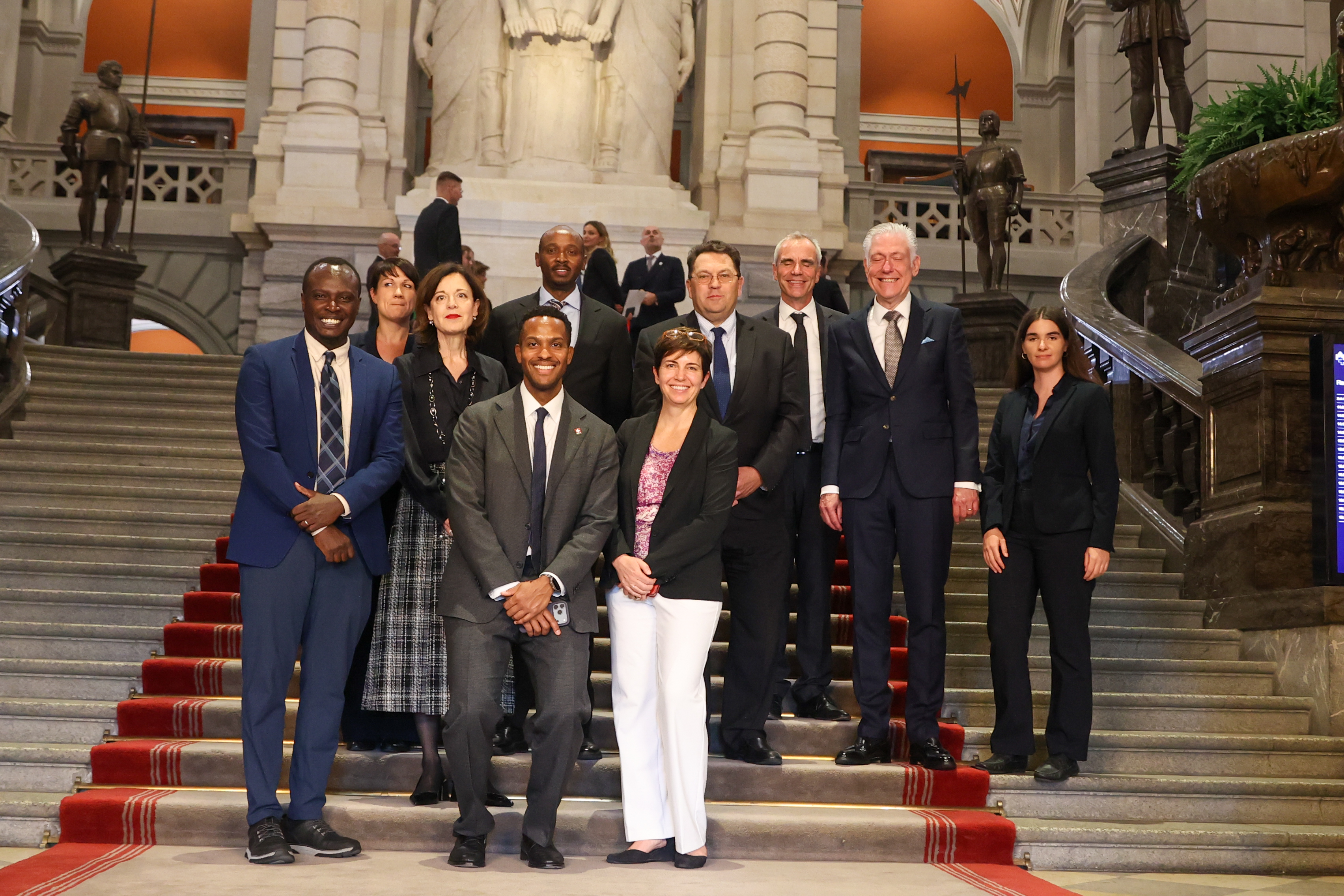
Rwanda's Minister of Health Meets Swiss Parliamentarians in Bern
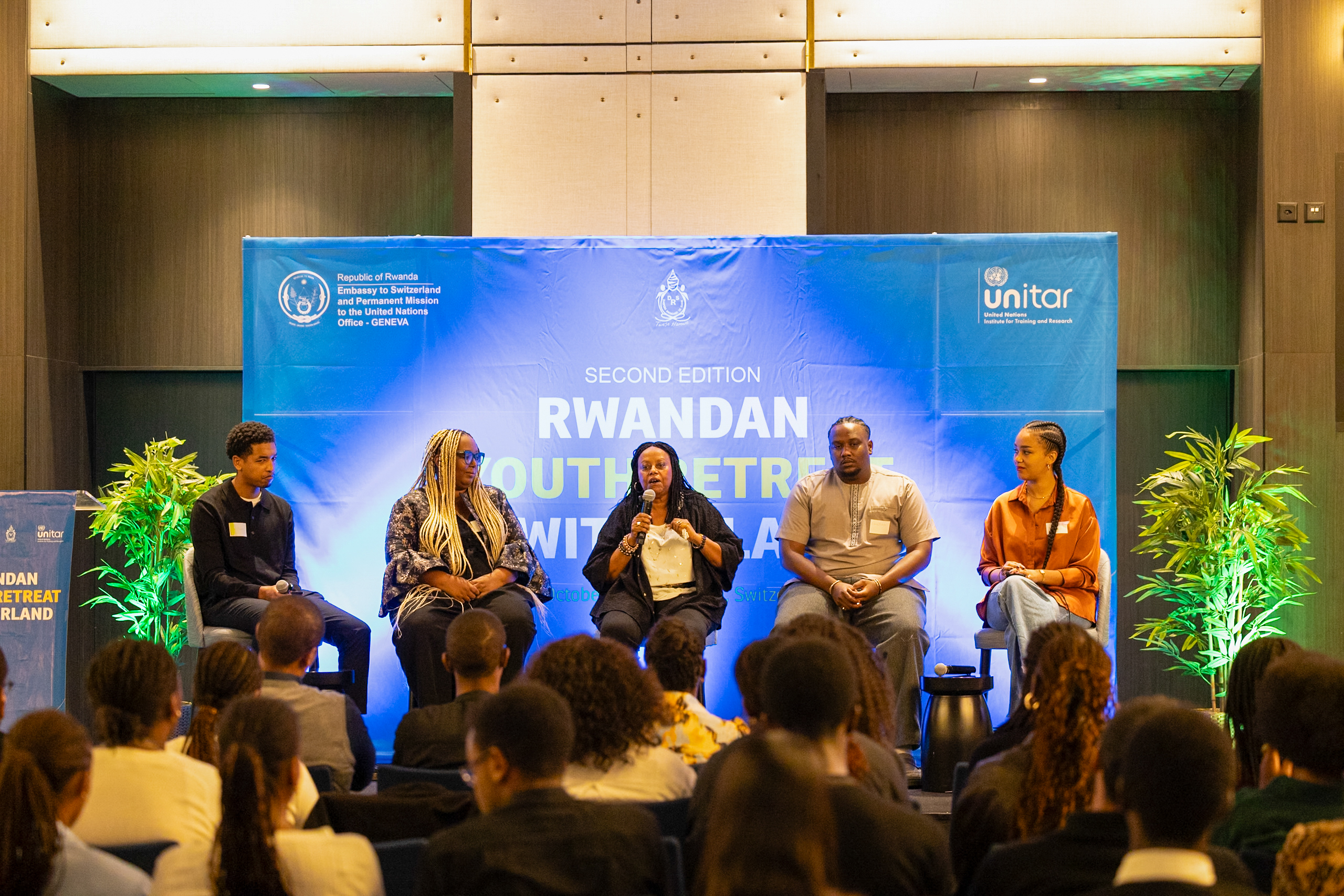
Young Rwandans in Switzerland, Austria and Beyond Chart Pathways for Continued Engagement with Rwanda
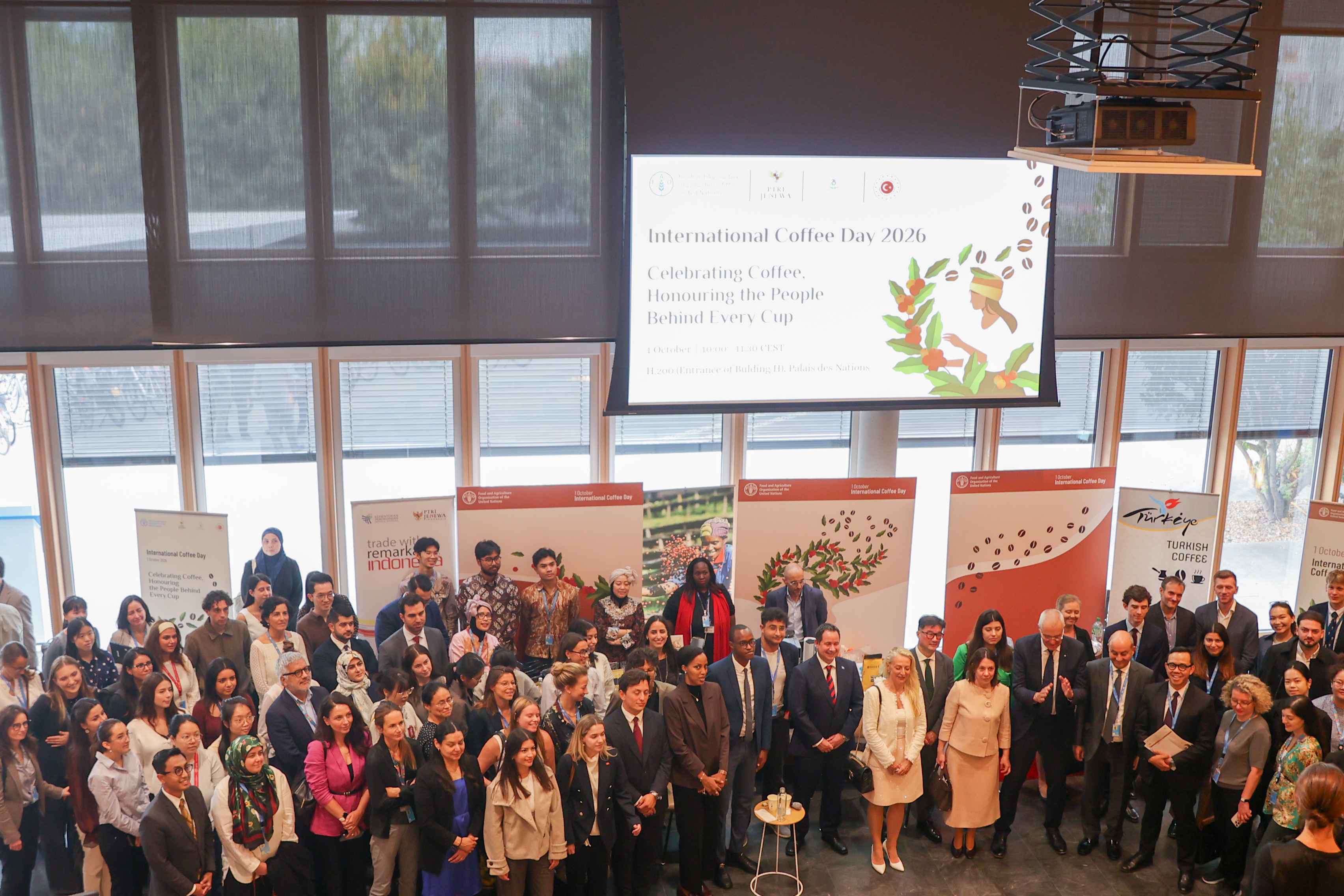
Rwanda Co-hosts First-ever International Coffee Day Celebration at UN Geneva
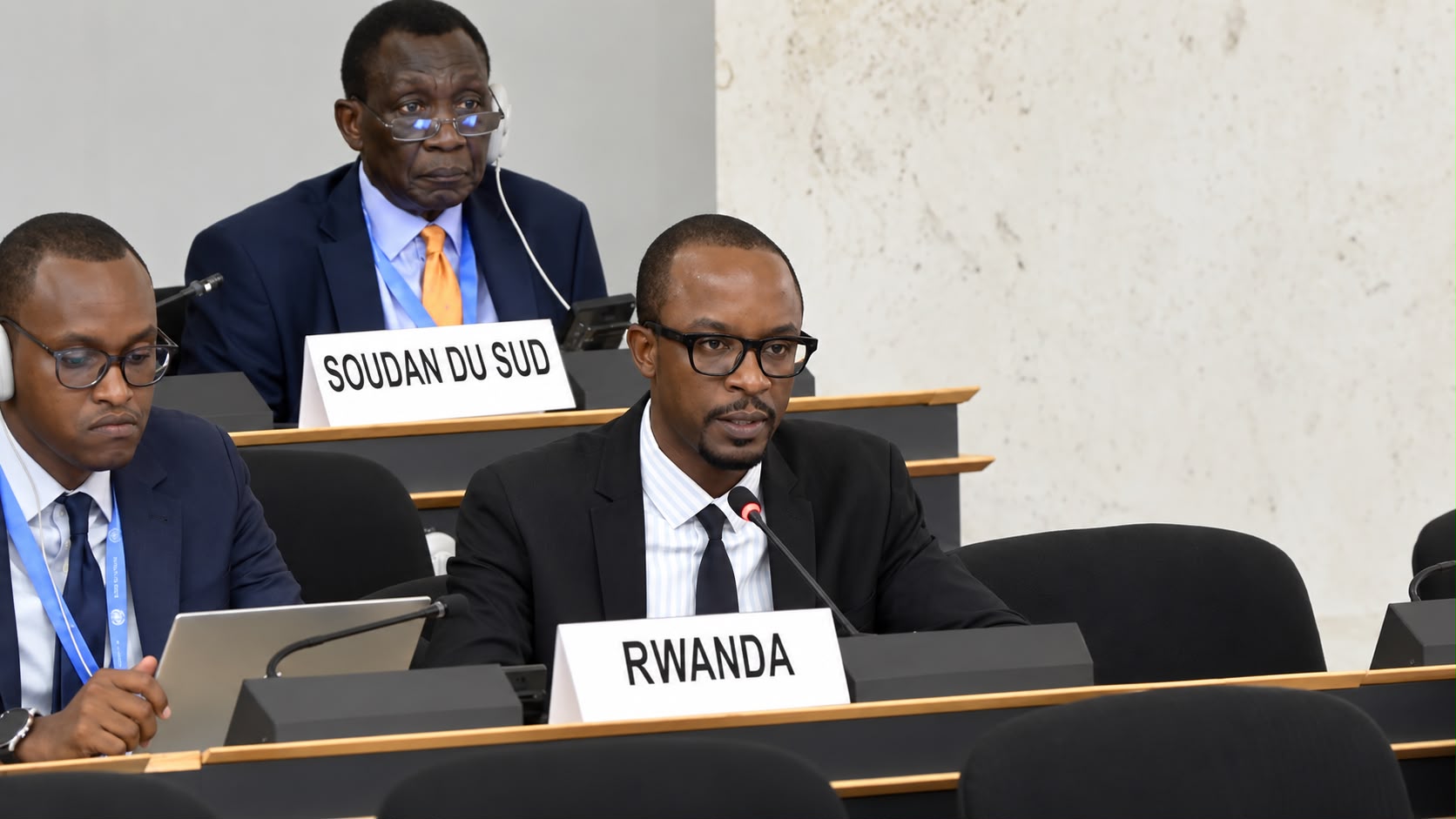
HRC63: Interactive Dialogue (ID) on High Commissioner’s Comprehensive Report on the Situation of human rights in the Democratic Republic of the Congo
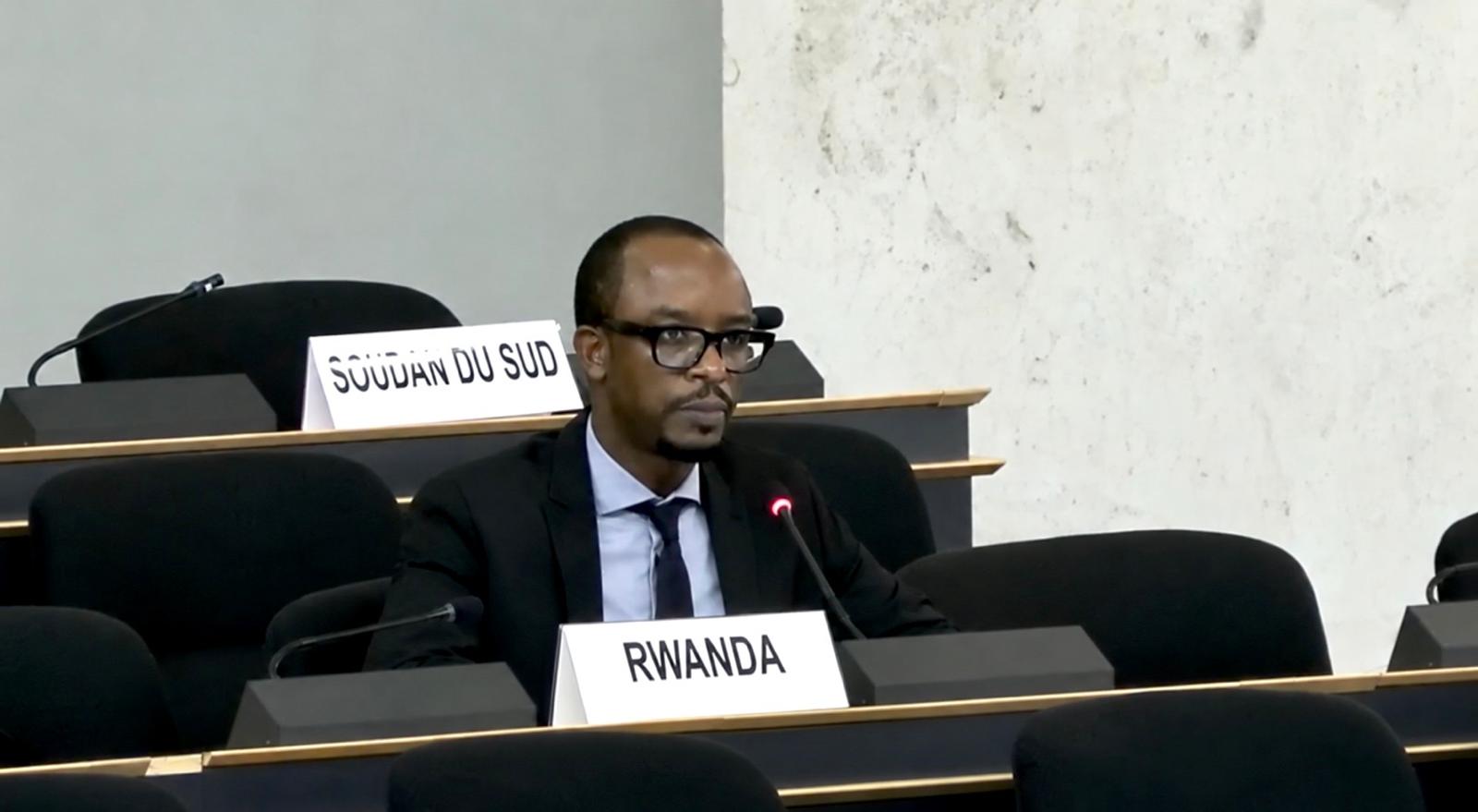
HRC63: RWANDA’S STATEMENT DURING THE GENERAL DEBATE UNDER AGENDA ITEM 10 (TECHNICAL ASSISTANCE AND CAPACITY BUILDING)
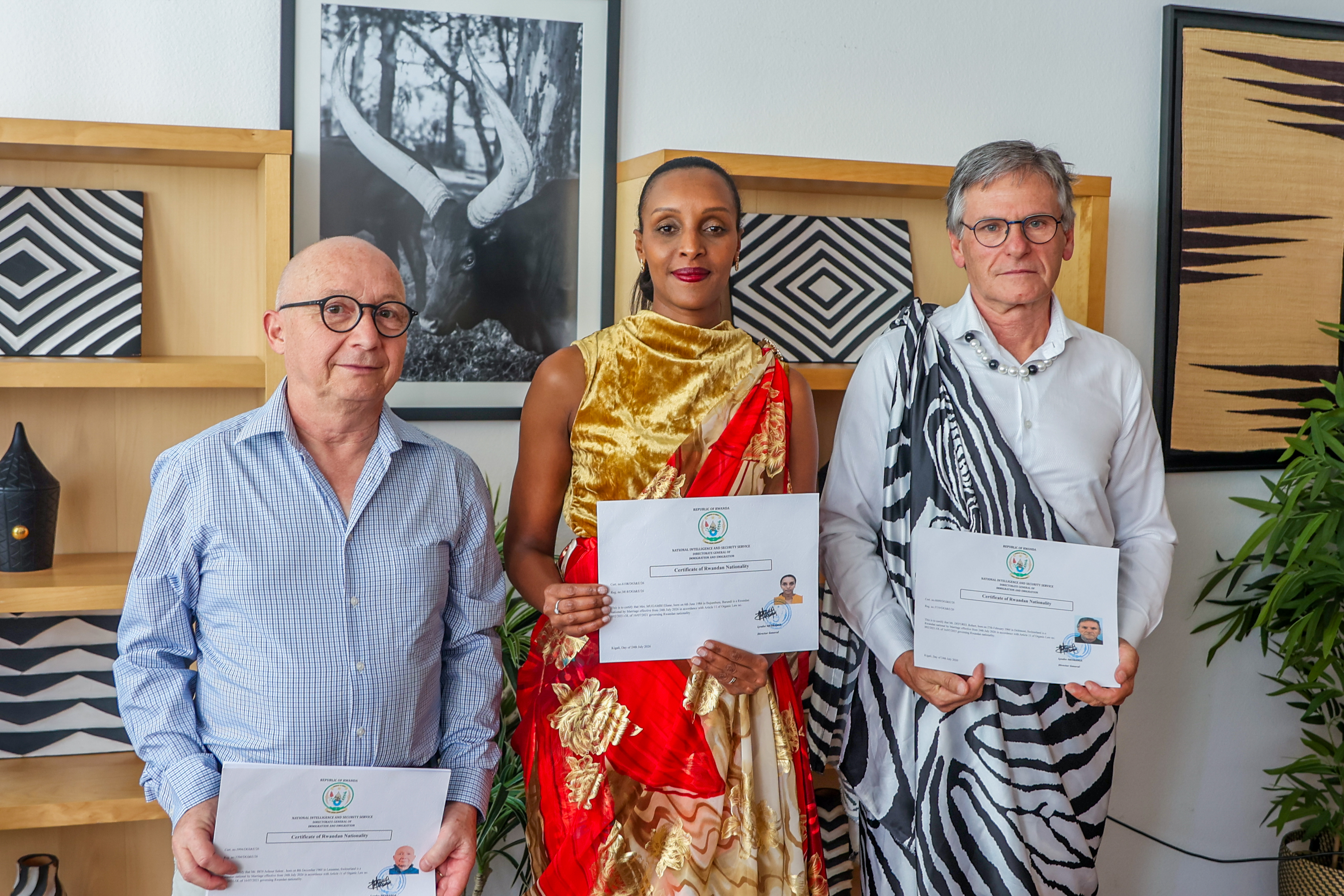
Three New Citizens Take Oath of Rwandan Nationality
UNCTAD TDB RWANDA'S STATEMENT DURING THE GENERAL DEBATE
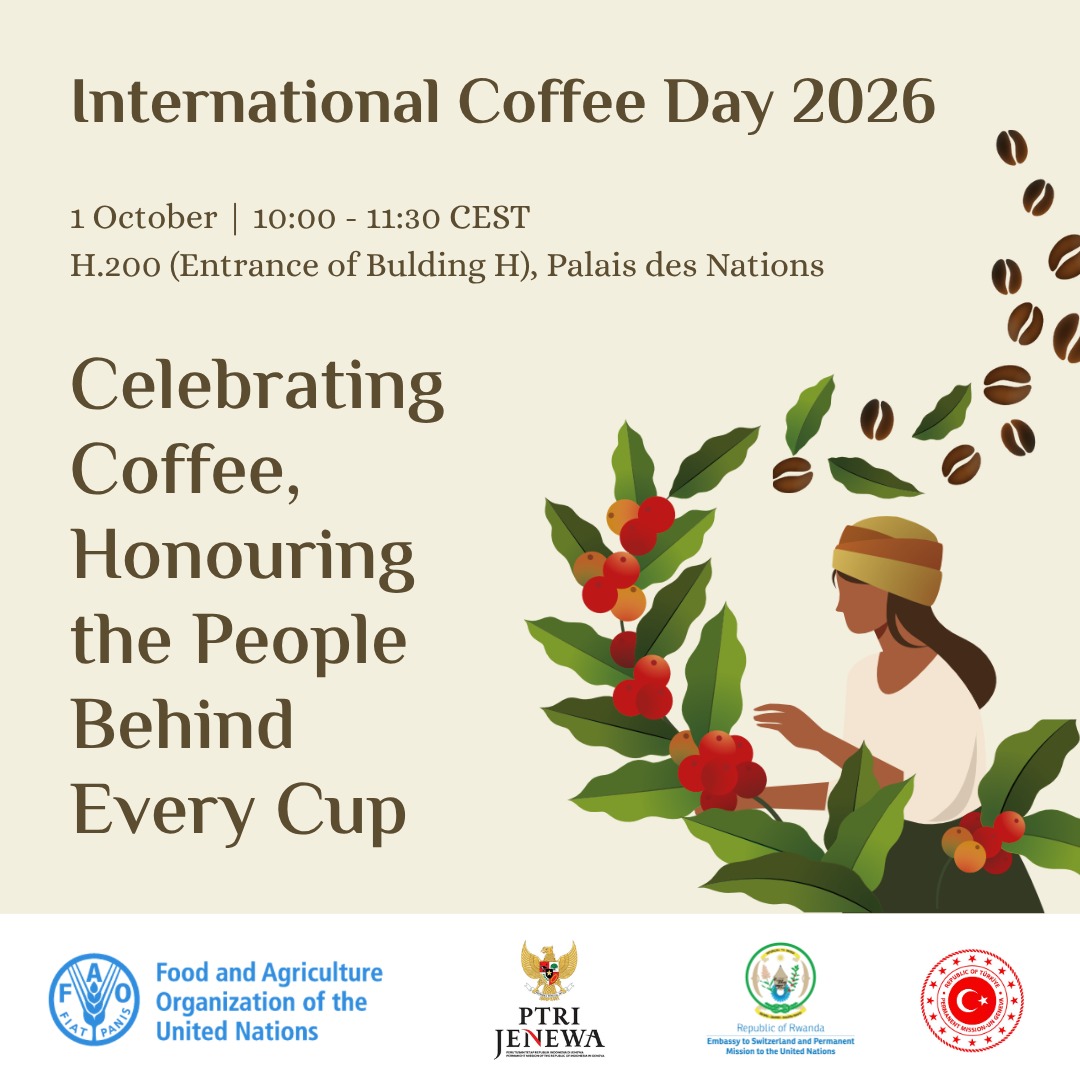
Rwanda to Co-Host First International Coffee Day Celebration in Geneva